
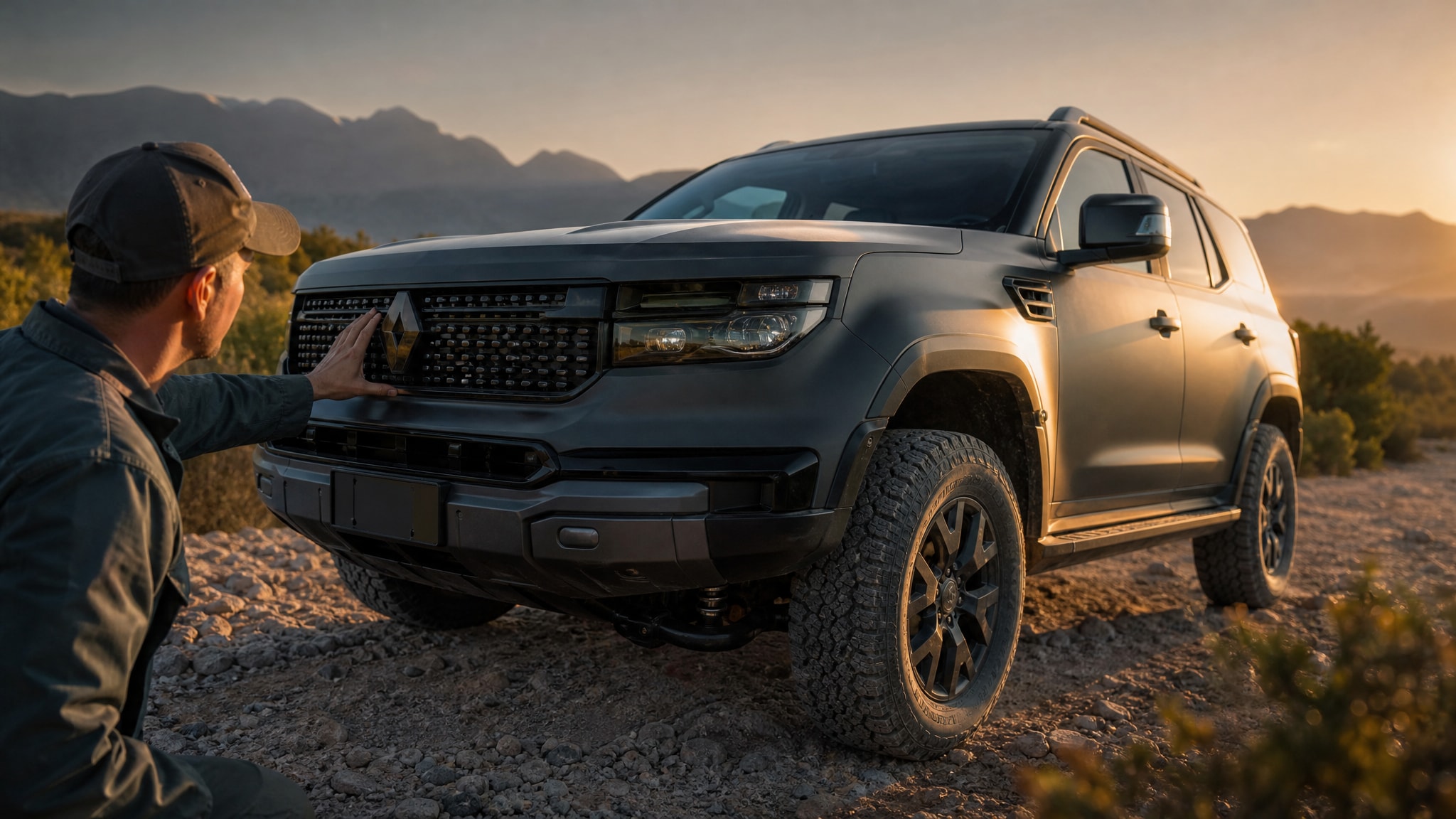
South African buyers asking whether Chinese cars are reliable now face a market that looks fundamentally different from the one that existed a decade ago. Haval and GWM have moved past their tentative entry phase to become established players with extensive local model ranges, yet old concerns about build quality and parts availability still linger in many conversations. Reliability isn't a blanket national trait anymore. It's a brand-specific question, and it needs to be weighed against current manufacturing standards, not outdated perceptions.
Our family has spent over 28 years in the motor industry watching this segment mature. The answer depends entirely on which badge sits on the bonnet and how that specific vehicle has been maintained. If a vehicle isn't good enough for our family, it isn't good enough for yours, which is why we apply the same vetting standards to Chinese models as we do to any European or Japanese alternative.
The Current State of Chinese Car Reliability in South Africa
Market Growth and Brand Maturity
Chinese manufacturers have invested in local infrastructure and engineering adaptation because South African roads demand durability specifications that differ from domestic Chinese or European markets. That means you can no longer dismiss an entire nation's cars based on early-generation vehicles that struggled with local conditions. Current platforms are built with right-hand drive and rough terrain as starting points, not afterthoughts.
Reliability assessments now need to focus on individual marque performance and specific model generations instead of broad generalisations that no longer match manufacturing reality.
Legacy concerns often lag behind current production standards by several years. That gap creates an opening: savvy buyers can secure high-specification vehicles at competitive prices while the broader market catches up. Haval and GWM have built local warehousing and technical training centres specifically to address historical weaknesses, which makes their newer offerings a genuinely different proposition from the budget imports that first entered the country.
Warranty Coverage and After-Sales Support Structures
Comparing Manufacturer Warranties
Extended warranties and service plans are the main reliability safety net for South African buyers considering Chinese marques. They cut the financial risk during the early ownership period, when an unexpected failure would sting most. Warranty terms from these manufacturers are typically more generous than those offered by European or Japanese rivals, because length and breadth of cover is how they build trust and signal confidence in their own product.
Think of these extended commitments as a manufacturer-backed insurance policy, bridging the gap between perceived risk and actual mechanical dependability.
Always check the specific coverage limits and exclusion clauses before you buy. Marketing headlines sometimes gloss over conditions on commercial use, modifications or mandatory service intervals, any of which can void cover exactly when you need it. Generous packages reflect a real insight: peace of mind matters more to hesitant buyers than a marginal price advantage. But that only holds if the fine print delivers on the showroom promise.
Service Plan Realities
Service plans bundled with Chinese vehicles often cover consumables and labour for longer than the industry norm, which lowers your running costs and keeps a dealership-stamped service history that supports resale value later. Check whether these plans are honoured at independent workshops or locked to the dealer network. Once the warranty period ends and you're managing maintenance budgets yourself, geographic convenience and pricing flexibility start to matter a great deal.
Resale Value and Depreciation Trends for Chinese Models
Depreciation vs Legacy Brands
Depreciation remains steeper for Chinese vehicles than for Toyota or Ford equivalents, despite real improvements in build quality and specification. Second-hand buyers still price in a risk premium based on old reputation rather than current evidence. High initial spec doesn't automatically translate to retained value here, where proven longevity and parts availability move trade-in prices more than leather seats or a bigger touchscreen ever will.
That depreciation curve makes total cost of ownership worth calculating properly if you plan to sell within five years, since upfront savings can be partly eaten up by lower residual values compared with established alternatives.
Factors Influencing Second-Hand Prices
Second-hand prices for Chinese models track closely with verifiable service history and remaining warranty cover, because private buyers can't assess condition on their own and will pay a premium for documented care. You can sidestep a lot of resale worry by buying pre-owned examples that have already taken the steepest depreciation hit while keeping enough factory support to reassure your own future buyer. That makes the ownership proposition financially rational rather than speculative.
Use a trade-in value calculator to weigh your current vehicle against a Chinese car purchase before you commit, so the swap actually makes sense long-term.
Parts Availability and Maintenance Considerations
Supply Chain Stability
Parts availability varies a great deal between established Chinese brands with local warehousing and newer entrants still relying on direct imports from factories thousands of kilometres away. Routine items like filters and brake pads are generally easy to get for mainstream models, but accident repair components can still carry long lead times, which means real downtime and a dent in how reliable the car feels to live with during those weeks.
That supply chain maturity shapes real-world usability far more than anything in a manufacturer brochure about component commonality.
Independent Specialist Access
Independent specialist access remains limited for Chinese vehicles compared with legacy brands, so you may end up depending on dealer networks for diagnostic work and complex repairs even after the warranty runs out. That concentration does mean sharper technician expertise, but it also means less competitive pricing and less geographic convenience. Factor dealership proximity into your decision if you live outside the major metros, where authorised service points are thin on the ground.
Evaluating Specific Models: Haval H6, Tank 300 and P-Series
Haval H6 Ownership Experience
The Haval H6 has gone through several generations to fix early criticisms around transmission refinement and electronic glitches. Current versions offer a mature ownership experience that competes directly with mid-tier Japanese SUVs on comfort and technology. Real-world reliability in South African conditions has improved as local engineers adapted cooling systems and suspension tuning for our climate and roads, which makes later-model examples particularly good value for buyers after premium features without the legacy price tag.
We stock vetted H6 units that have passed our inspection protocols, because we believe in this model's trajectory enough to put our name behind it.
GWM Tank 300 and P-Series Durability
The GWM Tank 300 and the P-Series bakkie are the newest wave of Chinese vehicles built explicitly for rugged South African use, with body-on-frame construction and drivetrain components sourced from established suppliers rather than unproven proprietary systems. Early durability data suggests these models handle load-carrying and off-road work well, though the long-term resale picture is still incomplete. Not enough time has passed for second-hand markets to settle on stable pricing.
You can view our current inventory to see Autoshed-approved examples of these models alongside traditional alternatives, and compare them directly under one roof.
How to Verify Reliability When Buying Pre-Owned
Inspection Priorities for Chinese Vehicles
Inspection priorities for Chinese vehicles differ from legacy brand checklists, because failure modes cluster around electronics, turbocharger health and software integration rather than the mechanical wear patterns a veteran mechanic knows by feel. A thorough assessment needs to test every sensor, screen and driver-assistance system more than once, since intermittent faults in these areas are far more common than an engine or gearbox failure, and far more expensive to diagnose properly.
This takes a technician who understands Chinese automotive architecture specifically, not just general mechanical competence.
Checking Service History and Recalls
Checking service history and recall completion is non-negotiable when you're looking at a pre-owned Chinese car, because manufacturer updates often fix software calibration issues that show up as drivability problems rather than safety defects. Our certified pre-owned inspection checklist targets exactly these model-specific weak points, closing the gap between what the manufacturer promises and the condition of the actual car in front of you.
Over 70% of our business comes from repeat customers and referrals, which tells us this kind of verification removes the guesswork from purchases that might otherwise feel uncertain.
Understanding the differences when buying from a dealer versus private seller matters especially for Chinese vehicles, where a proper inspection carries more weight than usual.
Making an Informed Decision Based on Your Needs
Choosing a Chinese vehicle means trading higher upfront specification and warranty cover against potentially steeper depreciation and a narrower service network. How long you plan to keep the car decides whether that trade works in your favour. Buyers on a three-to-five-year ownership cycle tend to benefit most from the value on offer, while those keeping a vehicle beyond seven years may find a legacy brand's slower depreciation and wider support network a better fit.
Chinese vs Legacy Brands: Key Differences
| Factor | Chinese Brands | Legacy Brands | |
|---|---|---|---|
| Warranty Terms | – | More generous coverage | Standard industry terms |
| Depreciation Rate | – | Steeper initial decline | Slower, predictable drop |
| Parts Lead Times | – | Variable by brand | Consistently short |
| Inspection Focus | – | Electronics and software | Mechanical wear patterns |
Reliability is manageable through proper verification and dealer support, not blanket brand avoidance, provided you go in with eyes open to both the advantages and the limits.
Frequently Asked Questions
Are Chinese cars as reliable as Japanese or European brands in South Africa?
Modern Chinese vehicles from established marques like Haval and GWM now compete closely with mid-tier Japanese and European alternatives on mechanical reliability, though electronics and software remain more variable. The gap has narrowed substantially since 2020 as manufacturers adapted platforms specifically for South African conditions rather than exporting unchanged domestic models. Individual model generation matters more than national origin when assessing dependability.
Do Haval and GWM vehicles hold their resale value?
Resale values remain lower than equivalent Toyota or Ford models due to lingering market scepticism, despite improved build quality and specification. Steeper initial depreciation means pre-owned buyers benefit from absorbing that loss while retaining sufficient warranty coverage for confident ownership. Total cost of ownership calculations should account for this difference rather than focusing solely on purchase price.
Are spare parts readily available for Chinese cars in South Africa?
Routine maintenance parts for established brands like Haval and GWM are stocked locally and generally accessible, but accident repair components can still carry significant lead times. Newer or less common Chinese marques remain reliant on imports, making parts availability highly brand-dependent. Always verify supply chain maturity for your specific model before purchase.
What should I check when buying a used Chinese car?
Prioritise electronics functionality, turbocharger health and software update completion over traditional mechanical inspections, as these represent the most common failure points. Verify full service history with authorised dealers and confirm all recalls have been addressed, as software calibrations often resolve drivability issues. Professional inspection by technicians familiar with Chinese automotive architecture provides essential assurance.