
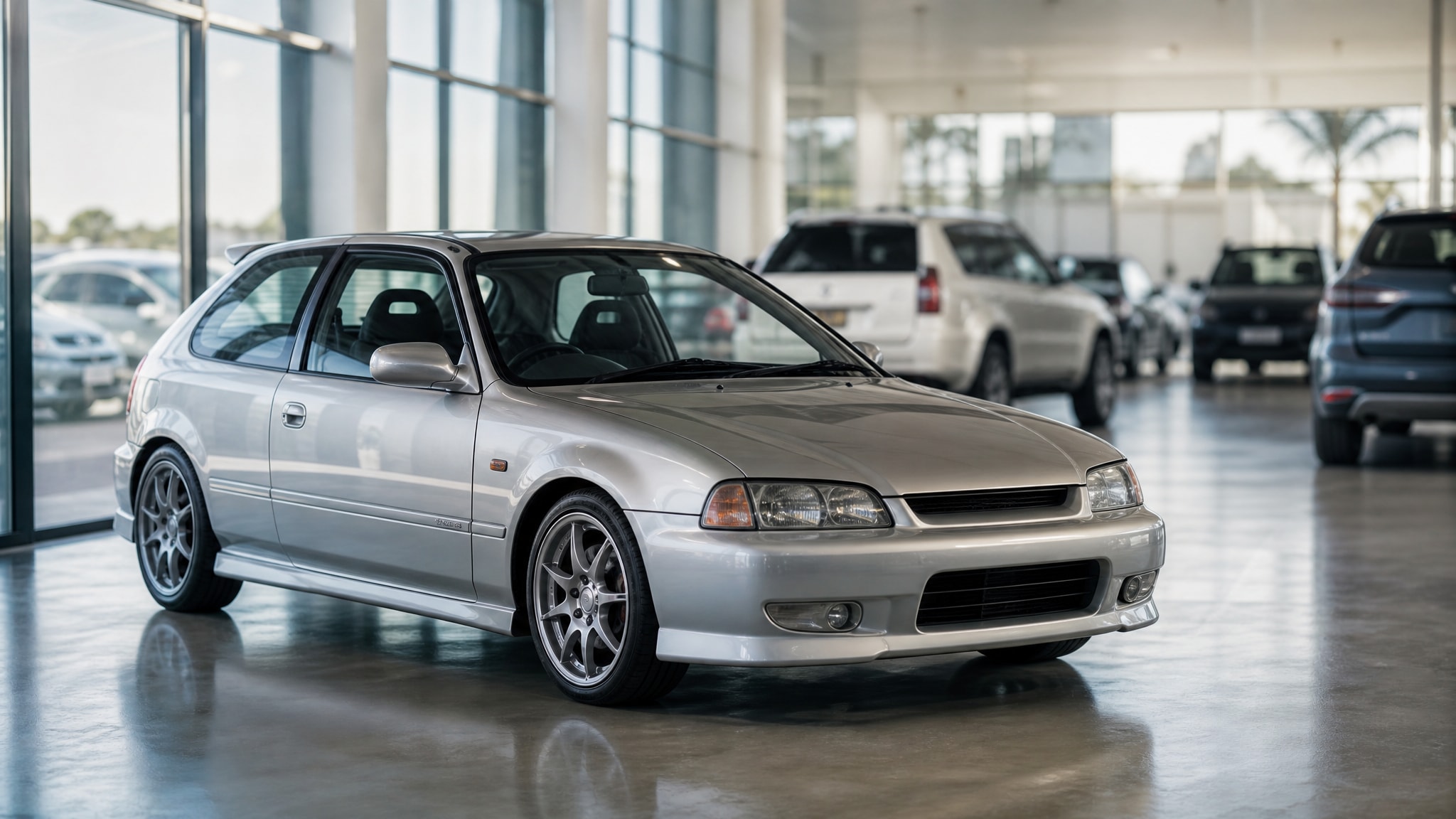
Walking through a modern South African showroom often feels like browsing a catalogue of SUVs and double-cab bakkies. The sedan and hatchback line-ups of previous decades are conspicuously absent. We miss those cars because they had distinct mechanical characters and value propositions that today's homogenised market struggles to replicate. Many enthusiasts and practical buyers now search the pre-owned sector for models that quietly disappeared from our roads.
Why Certain Beloved Models Vanished From South African Dealerships
Manufacturers didn't withdraw these nameplates because they failed mechanically. Global consolidation strategies prioritised high-margin platforms over niche vehicles that once defined our local motoring landscape. You might remember when every brand offered a compact sedan or hot hatch. Today those segments have largely evaporated, because corporate boards now focus on volume sellers that justify development costs spread across multiple continents.
Discontinued Models Compared
| Reliability | Parts Support | Driving Fun | Value Hold | |
|---|---|---|---|---|
| Honda Jazz | Bulletproof | Extensive | Practical | Strong |
| Ford Fiesta ST | Robust | Enthusiast network | Exceptional | Excellent |
| Mazda6 | Refined | Good | Executive comfort | Undervalued |
The Impact of Emissions and Safety Regulations
Tightening Euro-aligned emissions standards and safety mandates forced manufacturers to withdraw niche models that were too costly to update for our smaller market. Engineering a new engine or crash structure to meet 2026 compliance requirements costs millions. When projected local sales can't cover that investment, the rational business decision is to delist the vehicle rather than sell it at a loss.
This regulatory pressure hit performance variants and low-volume sedans hardest. They never had the economies of scale that global bestsellers enjoyed.
Shifting Consumer Preferences Towards SUVs
South African new car buyers have increasingly favoured SUVs and double-cab bakkies over the past decade. That shift directly contributed to the withdrawal of numerous sedan and hatchback nameplates, and it created a feedback loop: declining passenger car sales justified reduced marketing support, which further pushed buyers towards high-riding alternatives that dealers could move more predictably.
Families who once bought Toyota Corollas or Honda Civics now opt for crossovers. That makes traditional three-box saloons commercially unviable, despite their superior driving dynamics and fuel efficiency.
Iconic Sedans and Hatchbacks We Can No Longer Buy New
Models like the Honda Jazz and Ford Fiesta ST developed dedicated followings precisely because they offered engaging dynamics and practical packaging that newer crossovers can't replicate. These cars represented specific engineering philosophies that prioritised driver connection and clever interior space over ride height and perceived ruggedness. Current replacements simply don't provide the same ownership experience.
The End of an Era for Compact Performance
The departure of hot hatches like the Fiesta ST and Polo GTI marked the end of accessible performance motoring in South Africa, as manufacturers redirected development budgets towards electrification and SUV platforms. Enthusiasts lost affordable entry points into spirited driving. Heavier crossovers may match straight-line acceleration figures, but they lack the chassis feel and lightweight agility that made their predecessors special.
You'll struggle to find a new car under R500,000 today that delivers the same steering feedback and mechanical honesty these retired models provided.
Executive Saloons Replaced by Crossovers
Traditional executive sedans such as the Mazda6 and Opel Insignia vanished as premium buyers migrated to SUV badges. That leaves a gap for those who prefer refined road manners over a commanding seating position. These saloons offered sophisticated suspension tuning and aerodynamic efficiency that translated to better long-distance comfort, qualities that taller vehicles compromise through a higher centre of gravity and a larger frontal area.
The loss goes beyond body styles. It's an entire engineering approach that valued refinement and efficiency over visual presence.
Discontinued Bakkies and Commercial Vehicles That Shaped Our Roads
Lighter commercial vehicles and older-generation bakkies served small businesses and farmers for decades before modern safety and emissions frameworks made them unviable. These workhorses earned their reputation through mechanical simplicity and repairability in remote areas. Modern replacements, with their complex electronics and turbocharged engines, can't always guarantee that when operating far from a dealer network.
Lightweight Bakkies Phased Out for Heavier Alternatives
Single-cab and lighter payload bakkies, once the backbone of South African agriculture and trade, have been progressively replaced by heavier, more expensive double-cab derivatives. Small contractors and farmers who need a basic load carrier now face a choice: pay for passenger capacity they don't need, or seek out a pre-owned example of a discontinued model that actually matches their operational needs.
This shift reflects manufacturer priorities aligned with consumer lifestyle purchases, not genuine commercial utility.
Legacy Workhorses vs Modern Replacements
Older generation Isuzu KB and Nissan NP300 models ran naturally aspirated diesel engines and robust leaf-spring suspensions that tolerated poor fuel quality and rough treatment without catastrophic failure. Modern equivalents offer more power and more technology, but they bring maintenance complexities and higher running costs that can undermine the economics for businesses working on thin margins in tough environments.
The capability equation has shifted from pure durability to feature-rich versatility, and that doesn't suit every commercial application equally well.
Finding Quality Pre-Owned Examples of Discontinued Models
Sourcing a retired model takes patience. The best examples are usually held by owners who understand their value and maintain them accordingly, rather than cycling through multiple hands quickly. Prioritise verified service history and mechanical condition over the odometer reading alone. A well-maintained higher-mileage example often represents better long-term value than a neglected low-kilometre car with hidden deferred maintenance.
What to Inspect When Buying a Retired Model
Mechanical inspections matter even more when you're evaluating a discontinued vehicle, because wear patterns and common failure points can differ from the current models a generalist mechanic knows well. Our certified pre-owned inspection checklist gives you a structured framework for assessing these cars, covering suspension bushings, timing components, and electronic systems that age differently across generations.
Every vehicle we stock goes through our strict Autoshed Approved inspection process. It's how we make sure even discontinued models meet the same quality benchmarks as anything else on our floor.
Parts Availability and Specialist Support
Concerns about parts scarcity for discontinued models are often overstated. Independent workshops and enthusiast networks across South Africa maintain deep knowledge and supply chains for popular retired nameplates. Mainstream models like the Jazz or Fiesta share components with current vehicles and benefit from solid aftermarket support. Rarer specifications may need specialist sourcing, but they rarely become impossible to maintain.
Our team's 28+ years of combined motor industry experience means we know which discontinued models have lasting support networks, and which pose a real ownership risk.
Ownership Realities for Cars No Longer Sold New
Owning a discontinued vehicle involves different financial calculations than buying current metal. Depreciation curves and insurance assessments follow patterns driven by enthusiast demand rather than manufacturer residual value guarantees. You have to weigh the potential for value retention against the reality that some models depreciate faster once dealer support wanes, which makes purchase price and condition the two things that decide your long-term cost.
Resale Value Trends for Discontinued Nameplates
Cult-favourite models like the Fiesta ST or Jazz Sport often hold value exceptionally well, because supply is fixed while enthusiast demand stays steady or grows as newer alternatives fail to satisfy. Discontinued models without a strong following can see the opposite: franchised dealers cut trade-in values, and private buyers factor in perceived maintenance uncertainty.
For owners of discontinued vehicles, documentation and originality matter more than ever when it comes to future resale value. Collectors and knowledgeable buyers pay a premium for verifiable provenance.
Insurance and Finance Considerations
Lenders assess risk differently for discontinued vehicles, sometimes asking for larger deposits or shorter terms because resale projections are less certain than for current models with established book values. Exploring finance options for used cars helps you understand what terms are realistically available. Comprehensive insurance valuations should reflect replacement cost rather than an automated book value that may undervalue a well-maintained example.
Whether a discontinued car costs more to maintain and insure than a current model depends on the specific nameplate and its support ecosystem, not on discontinuation status alone.
Which Discontinued Models Are Worth Seeking Out in 2026
Certain retired models are smart buys right now, based on reliability, parts availability, driving enjoyment and value retention. The Honda Jazz offers interior versatility and mechanicals that just don't break. The Ford Fiesta ST delivers accessible performance with strong community support. The Mazda6 offers executive refinement at prices that look like exceptional value against newer crossover alternatives.
These recommendations assume you buy through channels that verify condition thoroughly. The gap between an excellent example and a tired one only widens with age.
How The Autoshed Helps You Secure Rare Pre-Owned Finds
Over 70% of our business comes from repeat customers and referrals who trust us to source rare and discontinued models that meet our exacting standards. Buying a retired nameplate is an emotional and financial commitment, which is why our vetting process identifies the best surviving examples, regardless of whether they're still sold new.
Understanding the differences when buying from a dealer versus private seller shows why professional verification matters most on discontinued vehicles, where there's less margin for error. Our nationwide delivery service gets you access to the right example beyond Centurion, and a transparent vehicle history gives you the confidence a significant purchase needs.
We invite you to browse our current inventory to see which hand-selected discontinued models currently meet our Autoshed Approved standards.
Frequently Asked Questions
Which discontinued car models are most reliable to buy used in South Africa?
The Honda Jazz, Ford Fiesta ST, and Mazda6 consistently demonstrate strong reliability records with robust parts availability through independent specialists. These models benefited from mature engineering before discontinuation and maintain active enthusiast communities that share maintenance knowledge and sourcing solutions.
Will I struggle to find parts for a car no longer sold new?
Mainstream discontinued models like the Jazz and Fiesta share components with current vehicles and enjoy extensive aftermarket support across South Africa. Rarer specifications may require specialist sourcing networks, but complete parts unavailability is uncommon for popular nameplates that sold in significant volumes during their production runs.
Do discontinued cars lose value faster than current models?
Depreciation depends on enthusiast demand rather than discontinuation status alone, with cult favourites like the Fiesta ST often holding value better than comparable current vehicles. Models without strong followings may depreciate faster as dealer support wanes, making purchase condition and price critical factors in long-term value retention.
How do I verify a discontinued car's condition before buying?
Prioritise verified service history and professional mechanical inspections over mileage alone, focusing on suspension components, timing systems, and electronics specific to that generation. Purchasing through dealers with rigorous inspection processes like Autoshed Approved reduces risk compared to private sales where verification responsibility falls entirely on the buyer.