
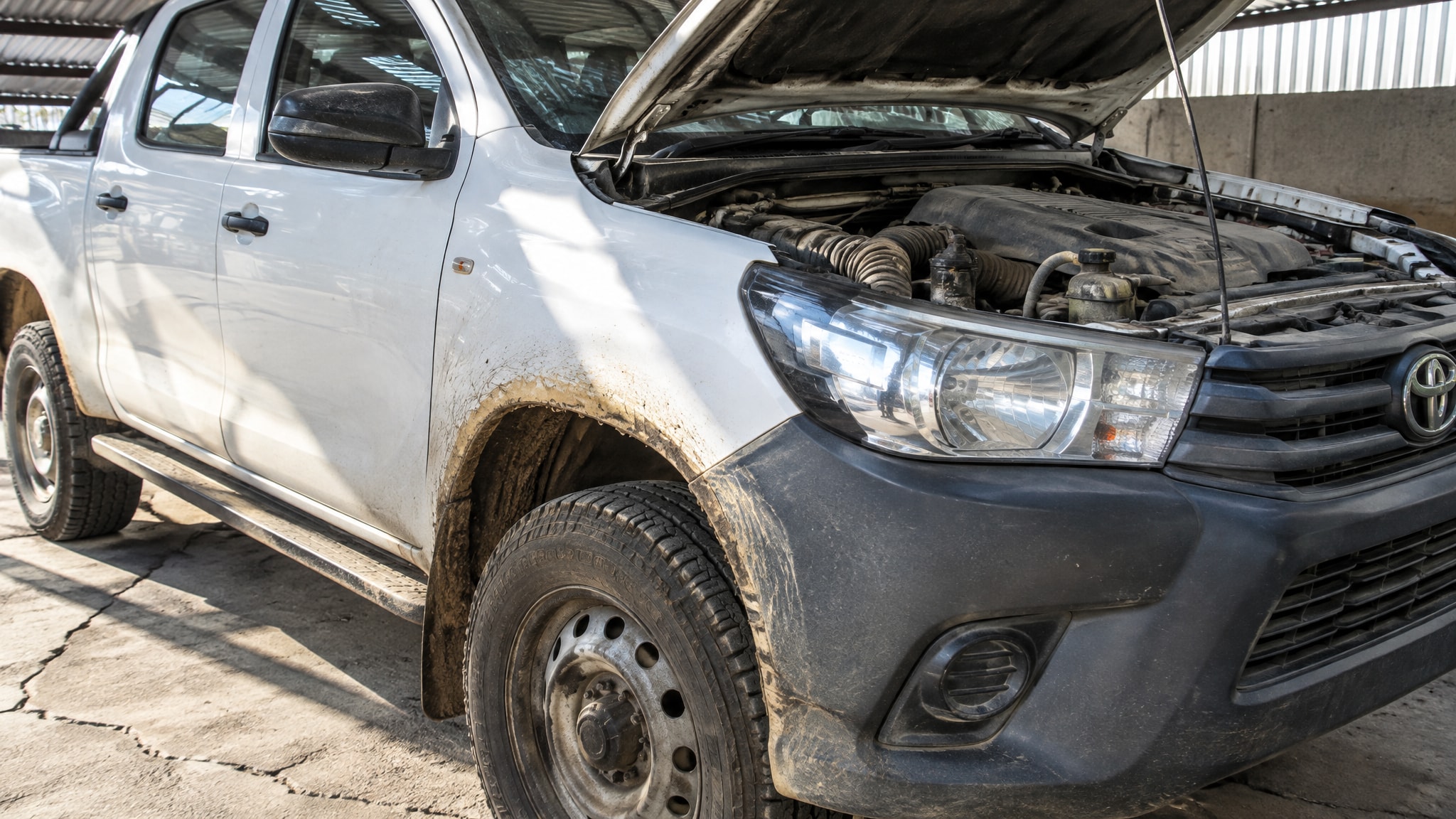
Trading in your vehicle should feel like a straightforward exchange of value. Instead, many South African owners leave money on the table because they misunderstand what dealers actually look for during an assessment. The gap between a premium offer and a disappointing one rarely comes down to negotiation skill. It comes down to specific, avoidable factors that signal risk or reconditioning costs to the buyer. Understand these 10 things that kill your trade-in value and you can fix them before you request a valuation, so your car gets judged on its true merit rather than its neglected potential.
Why Mechanical Neglect Destroys Resale Value
Mechanical integrity is the foundation of any used vehicle valuation. When that foundation shows cracks, the financial impact is immediate. You might assume a dealer will simply fix minor issues and absorb the cost. In reality, every unresolved mechanical fault is a liability we have to deduct from your offer, to protect the next owner's safety and our own reputation.
Skipped Service Intervals and Warranty Risks
Vehicles with a full, documented service history consistently achieve higher trade-in values than those with missing intervals. Franchise dealer stamps still carry the most weight with many buyers, but services from a reputable independent workshop using approved parts also count. A complete service book proves the maintenance was done to manufacturer standards with approved parts, and that correlates directly with mechanical longevity and resale confidence. Miss even a single major service and you create a permanent gap, one that suggests deferred maintenance elsewhere. Valuers then have to assume the worst about engine wear, transmission health and fluid degradation. That uncertainty shows up directly in a lower offer, because the dealer has to budget for a full inspection and possible catch-up maintenance before the car can go back on the floor.
Ignoring Warning Lights and Minor Faults
An illuminated dashboard warning light is never just a bulb change. It's a documented fault code, and to any trained technician it tells a detailed story of neglect. Sort these out before your assessment and you demonstrate responsible ownership. Ignore them and you signal that other maintenance may have been postponed too.
Our team brings over 28 years of combined motor industry experience to every trade-in assessment, so we know how quickly unresolved faults compound in our climate. What starts as a simple sensor replacement can look like evidence of systemic electrical or mechanical failure if it's left unattended, and that drastically reduces the car's appeal to premium buyers who expect turnkey reliability.
Cosmetic Damage and Interior Wear That Buyers Notice First
First impressions drive emotional connection, and in the luxury segment, presentation is often valued as highly as mechanical soundness. Visible wear doesn't just suggest age. It implies a pattern of carelessness, and buyers start wondering how the car was really driven and maintained behind closed doors.
Paintwork, Scratches and Panel Alignment
Exterior damage is a visual shorthand for overall ownership quality, and it triggers immediate deductions for panel beating, respraying and paint correction. Deep scratches, stone chips on the bonnet and misaligned panels suggest either accident history or chronic parking negligence, and both depress value significantly. Minor swirl marks can be polished out, but structural paint damage needs expensive remediation that we can't absorb without adjusting the purchase price down. Cosmetic repairs are priced at commercial rates, not DIY costs, so the deduction on your trade-in offer reflects professional reconditioning expenses, not the price of a touch-up pen.
Upholstery Stains and Dashboard Condition
Interior condition hits luxury vehicle valuations disproportionately hard, because tactile quality and pristine presentation matter so much to that ownership experience. Torn leather, stained carpets and cracked dashboards are particularly damaging, since they're hard to restore authentically and often need full component replacement. Sun damage to upholstery and trim is common in South Africa, but cars with protected interiors command a real premium because they signal garage storage and attentive care. Luxury buyers expect an interior that feels nearly new. Anything less suggests the car lived a harder life than the odometer admits.
Documentation Gaps That Reduce Buyer Confidence
Paperwork proves provenance. In a market where vehicle theft and odometer fraud remain real concerns, incomplete documentation gets treated as a red flag, not an administrative oversight. We can't pay premium prices for vehicles whose history can't be verified independently, no matter how well the car presents.
Missing logbooks, spare keys or incomplete service records force us to assume the worst about a vehicle's history and legality. A missing spare key alone can cost thousands of rands to replace, given modern immobiliser coding, and that cost comes straight off your trade-in value. Complete documentation, all manuals, two sets of keys and a verifiable service trail, justifies premium pricing because it removes risk and speeds up retail readiness. Without that paper trail, even a mechanically perfect car becomes a speculative purchase, and we have to discount heavily to cover verification costs and possible title complications.
Aftermarket Modifications and Non-Standard Parts
Personalisation rarely adds value in the pre-owned market, because modifications reflect individual taste rather than universal appeal. Most buyers want a factory-standard vehicle they can trust. Any deviation from spec raises questions about warranty coverage, insurance validity and long-term reliability.
Performance Upgrades and Suspension Changes
Performance modifications can void warranty cover on affected components and narrow the buyer pool down to enthusiasts, away from the general used car shoppers who make up the bulk of the premium market. ECU remaps, exhaust changes and lowered suspension suggest aggressive driving and added mechanical stress, which makes the car a higher-risk proposition for dealers and the next owner. These changes also complicate financing approvals, since banks prefer standard specs with predictable residual values. Reversible modifications only hold their value if you keep the original parts and refit them before sale. Permanent customisations typically cost you more in deductions than the modification itself cost to fit.
Non-OEM Accessories and Electrical Add-ons
Aftermarket accessories like non-standard tow bars, bull bars and auxiliary lighting often need drilling, wiring splices or mounting points that compromise factory corrosion protection and electrical integrity. OEM-approved accessories hold value better because they're designed, tested and warranted alongside the vehicle. Poorly fitted electrical add-ons are especially troublesome, since they introduce parasitic drains and fault codes that can take hours to trace. If you've added accessories, make sure accredited fitment centres installed them and kept proper documentation. That's what separates a professional enhancement from amateur tinkering that kills confidence at valuation time.
Market Timing and Model-Specific Depreciation Factors
Trade-in value isn't static. It moves with fuel prices, model cycles and seasonal demand, all of which sit outside your control. Trade in at the wrong moment and you can suppress your vehicle's value by thousands of rands, regardless of its condition or spec.
Check current demand for your specific make and model before you book a valuation, so you don't walk straight into a depreciation trough. New model launches typically depress previous-generation values for a while, as buyers hold out for updated stock, and fuel price spikes can quickly soften demand for large-capacity petrol SUVs and bakkies. Certain models also see cyclical demand surges tied to holiday seasons or agricultural cycles, and a savvy seller can use that timing. Understand these wider forces and you can time your trade-in strategically, instead of reacting emotionally to a low offer during a weak market window.
High Mileage and Usage Patterns That Signal Commercial Use
Mileage matters, but context matters more: 150,000 km of highway cruising causes far less wear than 80,000 km of stop-start city delivery work. We assess usage patterns through service records, tyre wear and cabin condition, to tell private ownership apart from commercial abuse.
High mileage doesn't automatically mean a lower trade-in valuation, provided the kilometres built up gently and were documented along the way. Consistent highway miles are viewed more favourably than urban driving, because engines reach optimal operating temperature, transmissions shift smoothly and brakes see less thermal cycling. That said, annual mileage above 30,000 km typically signals fleet or commercial use, and that accelerates the depreciation curve. Document your usage pattern through detailed service notes, and keep your maintenance intervals consistent, so a high-mileage car can still show it got the care its duty cycle demanded.
How The Autoshed Assesses Trade-In Value Fairly
We believe transparency builds trust. That's also why over 70% of our business comes from repeat customers and referrals who trust our transparent valuation process. We evaluate vehicles holistically rather than penalising minor issues excessively. A well-maintained car deserves recognition even if it shows honest wear.
Luxury and premium used vehicles go through strict Autoshed Approved inspections, covering mechanical, cosmetic and documentation standards, before we accept them, so every deduction is justified and explained clearly.
This family-first approach means we give you honest feedback on true market value, without pressure tactics or hidden agendas. If your vehicle needs attention before it reaches its best price, we'll tell you exactly what to fix and what to leave alone, so you can maximise your return sensibly. When you're ready to get a fair trade-in valuation, you get guidance rooted in decades of South African market experience, not algorithmic guesswork. For owners considering a strategic transition, our insights on trading down without regrets complement this valuation process by aligning your next move with long-term value preservation. Every assessment references our certified pre-owned inspection checklist, so you see precisely what standards your vehicle meets and where improvements would pay off.
Frequently asked questions
What specific maintenance records do South African dealers require for maximum trade-in value?
Dealers look for a complete service history showing all manufacturer-scheduled services performed at the correct intervals with approved parts, whether at a franchise dealer or a reputable independent workshop. Supporting invoices from accredited workshops strengthen your position, especially for services performed outside the dealer network. Missing any major service interval creates a permanent valuation penalty that cannot be recovered through later catch-up maintenance.
How much does cosmetic damage typically reduce a vehicle's trade-in offer?
Cosmetic deductions reflect professional reconditioning costs rather than DIY repair estimates, so deep scratches or panel damage can reduce offers by several thousand rands per affected area. Minor swirl marks and light stone chips may be absorbed during standard preparation, but structural paint damage or interior tears require expensive remediation. The exact deduction depends on severity, location, and whether the damage suggests underlying accident history.
Which aftermarket modifications have the least negative impact on resale value?
OEM-approved accessories installed by accredited fitment centres retain value best because they carry manufacturer backing and integrate seamlessly with factory systems. Reversible modifications where all original parts are retained and reinstalled before sale minimise negative impact compared to permanent alterations. Performance upgrades, suspension changes, and electrical splices typically reduce value regardless of installation quality because they narrow the buyer pool and complicate warranty coverage.
Does high mileage always result in a lower trade-in valuation regardless of condition?
High mileage does not automatically mean lower value if the kilometres were accumulated through gentle highway driving with thorough maintenance documentation. Vehicles exceeding 30,000 km annually face steeper depreciation because this pattern suggests commercial or fleet use rather than private ownership. Detailed service records demonstrating appropriate care for the vehicle's duty cycle help justify stronger valuations despite elevated odometer readings.