
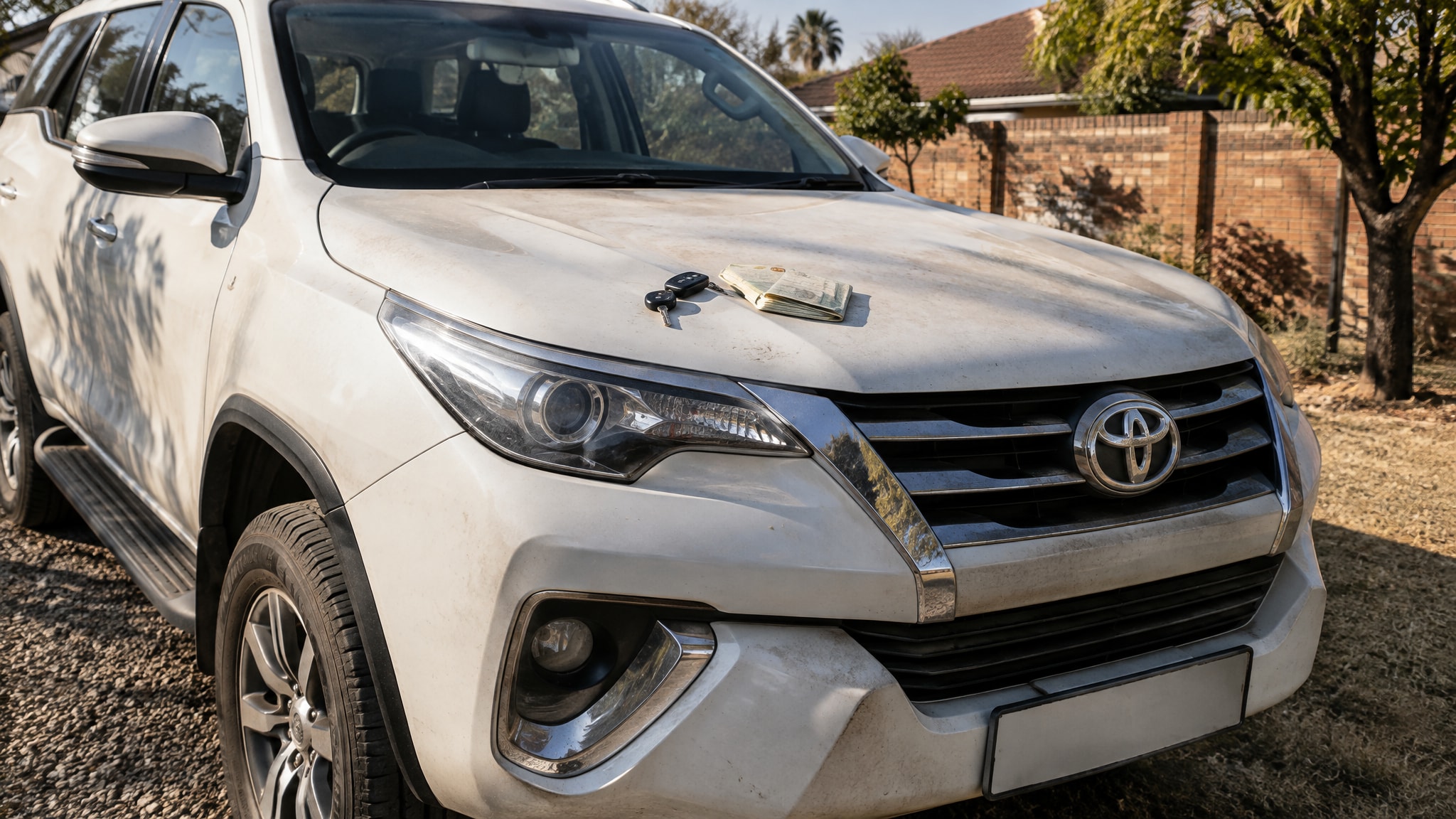
Buying a premium used vehicle in South Africa should be an exciting milestone. But the private market carries hidden risks that can turn a dream purchase into a financial nightmare. Knowing how to check if a car is stolen or has finance owing before you buy is the single most important step in protecting your investment and your peace of mind. At The Auto Shed, if a vehicle isn't good enough for our family, it isn't good enough for yours. That's why we treat verification as a moral obligation, not an administrative box to tick.
With 28+ years of combined motor industry experience between us, we've seen firsthand how undocumented finance or stolen markers devastate well-intentioned buyers who assumed a seller's handshake was enough. This guide walks you through the exact checks you need to verify ownership and legal status, so you never inherit someone else's debt or criminal liability.
Why Vehicle History Checks Are Non-Negotiable for SA Buyers
South African law offers little protection to private buyers who unknowingly buy encumbered or stolen goods, whatever their intentions or the price paid. You might think you've landed a bargain on a luxury SUV, but without proper verification you're gambling with hundreds of thousands of rands that can vanish overnight when a bank repossesses the asset.
Free vs Paid Vehicle History Checks
| Free Check | Paid Report | |
|---|---|---|
| Finance Status | – | Comprehensive |
| Stolen Markers | Limited | Multi-source |
| Ownership History | Basic Only | Full Record |
| Cloning Detection | – | VIN Cross-ref |
The Real Cost of Skipping Due Diligence
Buy a vehicle with outstanding finance and the bank still owns it. It can seize the car without paying you back a cent of what you handed the private seller. That loss doesn't stop at the purchase price, either. It swallows the insurance premiums, licensing fees and maintenance costs you racked up while you believed the car was yours.
Legal recourse against a private seller is often futile. People who sell financed vehicles illegally are frequently already insolvent, or long gone, by the time you discover the truth.
How Stolen and Financed Vehicles Enter the Private Market
Criminal syndicates and desperate sellers exploit the trust built into private transactions by presenting stolen or financed vehicles as legitimate, urgent sales. Premium vehicles like Mercedes-Benz and Ford Rangers are frequent targets for cloning, which is why verifying chassis numbers against multiple databases is now standard practice. Visual inspection alone can't catch sophisticated identity theft.
These vehicles often come with forged paperwork and plausible stories about emigration or financial distress, designed to get past your natural caution. If you want the broader warning signs beyond finance and theft, our guide on how to avoid buying a bad used car covers the additional red flags that protect your capital.
Checking for Outstanding Finance on a Used Car
Verifying that a vehicle is unencumbered takes official documentation and independent data checks, not a verbal promise from the seller. You need written proof that settles the matter before any money changes hands, because oral assurances hold no weight in a repossession dispute.
Understanding Natis and Bank Settlement Letters
The National Traffic Information System (Natis) registration certificate lists both a title holder and an owner. If a bank is shown as the title holder, the car is financed and the seller can’t transfer it until the bank releases it. The certificate may not reflect very recent changes, though, so don’t use it as your only clearance document. A current settlement letter from the financing bank is the only reliable proof that the debt has been cleared, or it gives you the exact payout figure needed to clear the title.
This letter needs to be dated within the last seven days and addressed specifically to the transaction at hand. Older documents may not reflect recent payment defaults or renewed liens.
Verifying Finance Clearance Before Payment
Cross-check the seller's settlement letter against an independent vehicle history report from a provider such as TransUnion or Lightstone. Any discrepancy suggests fraud or an administrative error. Never transfer funds until both sources confirm the vehicle is free of encumbrances, and consider paying the settlement amount directly to the bank rather than to the seller, so you know the debt is actually extinguished.
If you're exploring legitimate ways to structure this safely, reviewing vehicle finance options through established lenders adds another layer of security to the transaction.
Confirming a Vehicle Is Not Reported Stolen
Stolen vehicle detection takes more than checking a single database, because criminals actively manipulate records to create false legitimacy. You need a multi-layered approach that compares physical identifiers against digital records to spot the inconsistencies that point to cloning or theft.
Using SAPS and Third-Party Databases Effectively
The South African Police Service maintains a stolen vehicle database, but access for private citizens is limited and updates can lag behind real-time theft reports. Comprehensive paid vehicle history services pull data from insurers, banks and law enforcement, giving you a more current and complete picture of a vehicle's stolen status than any single government source can offer.
Always request the full vehicle identification number and engine number before running these checks. Partial searches can miss critical flags.
Red Flags That Suggest Theft or Cloning
Mismatched VIN plates, tampered chassis stamps, or registration documents that look newer than the vehicle itself are immediate signs of potential cloning. Professional thieves often replace original identifiers with those from written-off vehicles of the same model. Comparing the physical car against manufacturer build specifications can reveal impossible combinations of trim, engine and factory options.
If anything feels inconsistent during your inspection, trust that instinct and escalate your verification before going any further.
Free vs Paid Vehicle Checks: What Each Actually Reveals
Free vehicle history checks are a useful first screen, but they lack the depth a high-value purchase on a premium vehicle demands. Rely on complimentary tools alone and you leave real gaps in your due diligence, the exact gaps you're trying to close.
Government portals typically confirm basic registration details and roadworthiness status but rarely include the finance or theft data that sits with private sector sources. Paid reports from established bureaus pull together banking, insurance and law enforcement records to give you the full picture you need for a confident purchase in the luxury segment.
Treat free checks as a first filter, not a final verdict, useful for ruling out the obviously problematic vehicles before you invest in thorough verification.
What to Do If a Check Reveals Problems
Finding finance owing or a stolen marker calls for immediate, decisive action to protect yourself legally and financially. Walking away is always the right call, however attractive the deal looked or however convincing the seller's explanation sounds.
Walking Away Safely from a Risky Deal
Cut off communication with the seller the moment red flags appear, and don't try to negotiate the price down based on what you've found. Encumbered or stolen vehicles can't be legally transferred, and staying in the conversation only risks coercion or dragging you into a fraudulent scheme.
Write down everything you've learned and keep copies of all correspondence. That record may matter if authorities later investigate the vehicle or the seller.
Reporting Suspected Fraud or Stolen Vehicles
If you discover undisclosed finance, contact the financing institution directly and give them the vehicle details and seller information to help their recovery efforts. For a suspected stolen vehicle, report your findings to SAPS and to the vehicle history bureau that flagged the issue. Your alert could stop another buyer falling for the same scheme.
Understanding the structural advantages of professional vetting helps explain why many buyers choose to buy from a dealer vs private seller when these risks start to feel overwhelming.
How Autoshed Approved Vehicles Eliminate These Risks
Over 70% of our business comes from repeat customers and referrals, because every vehicle passes our strict Autoshed Approved inspection before it's listed. We carry the verification burden ourselves, running the same finance clearance and stolen status checks outlined above, so you never have to wonder whether your purchase is legally sound.
Our Multi-Point Verification Process
Every vehicle entering our inventory goes through documented finance settlement confirmation and cross-referenced stolen status checks before we even consider offering it for sale. Our certified pre-owned inspection checklist sets out the mechanical and administrative standards that separate Autoshed Approved vehicles from ordinary used cars.
That preparation means you get full transparency on ownership history, service records and legal status, without having to run your own investigation.
Peace of Mind Through Documented Transparency
We keep detailed files for every vehicle we sell, including settlement letters, clearance certificates and verification reports, and you can review them before you decide. This documentation travels with the vehicle into your ownership, backing you up later and supporting resale value through proven provenance.
We'd rather lose a sale than compromise the trust that's sustained our family business for nearly three decades.
Protecting Your Investment Beyond the Initial Check
Safe vehicle ownership doesn't end at the purchase. It carries on into record-keeping and vigilance. Keep digital and physical copies of all clearance documents, settlement letters and verification reports somewhere secure, separate from the vehicle itself.
Update your records whenever you refinance, insure or modify the vehicle. Accurate documentation backs up both legal compliance and your resale position down the line. It's the same disciplined approach we apply to every Autoshed Approved vehicle, so your premium purchase stays something you're proud of, not something you worry about.
Frequently Asked Questions
What happens if I buy a car that still has finance owing?
The financing bank retains legal ownership and can repossess the vehicle without compensating you for any money paid to the private seller. Your only recourse is pursuing civil action against the seller, which rarely recovers funds if they are already insolvent or untraceable.
Can I check if a car is stolen for free in South Africa?
Free government portals provide basic registration data but lack comprehensive stolen vehicle markers from insurers and private databases. Paid vehicle history reports aggregate multiple sources and offer the thorough coverage necessary for safe premium vehicle purchases.
How do I verify a settlement letter is genuine?
Contact the issuing bank directly using contact details from their official website, not those printed on the letter itself. Request confirmation of the settlement figure and account status, and compare this against independent credit bureau reports to detect forgeries.
What should I do if a vehicle history check shows a stolen marker?
Stop all communication with the seller immediately and report the finding to SAPS and the vehicle history bureau that flagged it. Do not attempt to confront the seller or negotiate, as this could involve you in criminal activity or put your safety at risk.