
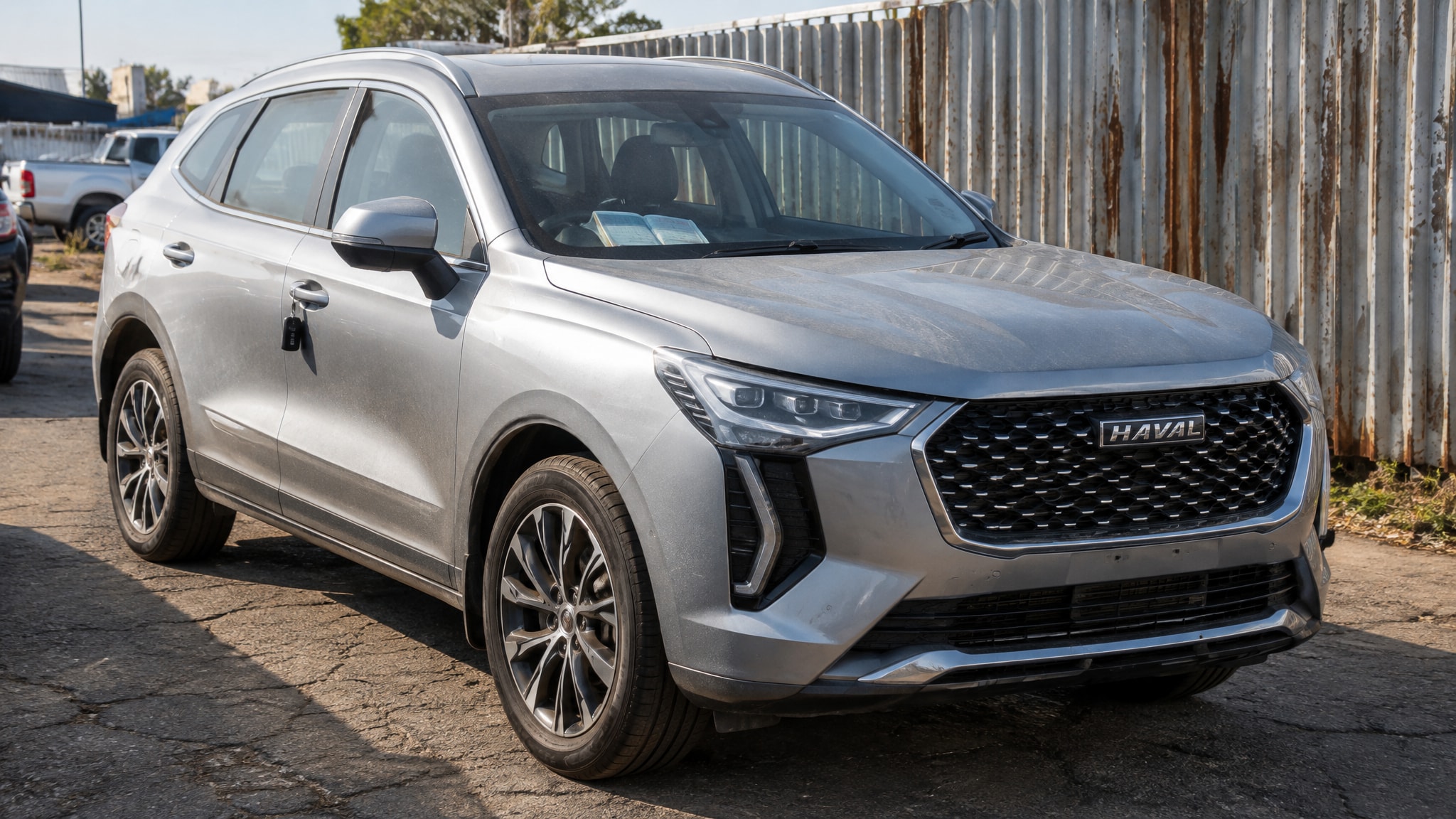
Buying a vehicle is as much about the exit as the entry. For South African buyers considering premium Chinese models, understanding future value matters just as much as the deal you strike on day one. Whether these cars hold their value no longer has a simple yes or no answer. The market has matured since the early days of importation, and resale performance now depends on the specific model line, its service history and the strength of local support, not the badge on the bonnet.
We've watched this segment move from speculative novelty to established contender over our years in the motor trade. Our approach stays the same regardless of badge: if a vehicle isn't good enough for our family, it isn't good enough for yours. That's the principle behind how we assess trade-ins and advise clients working through the shifting landscape of Chinese automotive ownership.
Current Resale Trends for Chinese Vehicles in South Africa
Newer Chinese entrants typically see steeper initial depreciation than legacy brands, though established Chinese brands with bigger dealer networks are closing the gap. The flip side is that the steady flow of cheaper new Chinese models keeps putting pressure on used prices. Three-year-old examples from established marques like Toyota or Mercedes-Benz still command a predictable premium. Equivalent Chinese models show more variance, depending on service history and market timing. That gap is narrowing as second-hand buyers gain confidence through visible reliability data and steadier parts availability.
Chinese Vehicle Resale Value Drivers
| Factor | SUVs & Bakkies | Hatchbacks & Sedans |
|---|---|---|
| Initial Depreciation | Moderate | Steep |
| Demand Pools | Private & Fleet | Private Only |
| New-Car Incentive Risk | Lower | Higher |
| Resale Liquidity | Stronger | Weaker |
Depreciation Curves Versus Established Brands
The first two years of ownership are the most volatile period for residual values across Chinese nameplates. Legacy Japanese and European manufacturers benefit from decades of auction data, which gives financiers and dealers confidence in setting book values. Newer entrants don't have that historical baseline yet. Buy nearly new and you can take advantage of this early drop, but sell within the warranty period and expect a wider spread between retail and trade-in figures.
The Impact of Brand Maturity on Trade-In Values
Brands with longer local track records and bigger dealer footprints see markedly better trade-in offers than those still building a presence. Chery and GWM have invested heavily in South African infrastructure, and that shows up directly in stronger floor plan financing for dealers and higher wholesale bids at auction. A mature brand ecosystem reduces perceived risk for the next owner, and that's what underpins resale value in the end.
Key Factors Influencing Chinese Car Resale Value
Residual value isn't decided by engineering quality alone. It comes down to the whole ownership ecosystem around the vehicle. We apply the same Auto Shed Approved inspection to every vehicle regardless of origin, so resale value assessments rest on mechanical condition, not badge bias. Even so, certain structural factors weigh more heavily on Chinese vehicles than on their established counterparts.
Warranty and Service Plan Transferability
A warranty or service plan that transfers cleanly to the second owner does a lot of the work in a trade-in offer. Sell a Chinese vehicle with remaining factory-backed cover and you remove the biggest objection a cautious buyer might raise about long-term repair costs. Vehicles sold outside warranty, or with plans that don't transfer, get discounted immediately, whatever shape the mechanicals are in. Check the fine print, too. Headline engine warranties like Chery’s 10-year/1-million km cover or GAC’s lifetime engine warranty usually apply only to the first owner, so a second owner typically gets only the remaining standard vehicle warranty. The exception is Chery’s Cherished certified pre-owned programme, which keeps the engine warranty in place when the car is sold through a Chery dealer.
Parts Availability and After-Sales Support
Perceived parts scarcity remains a major value suppressor, even as supply chains improve through 2026. Dealers and private buyers factor in potential downtime when valuing used Chinese vehicles, and even a handful of stories about delayed components can drag down an entire model line's residuals. Manufacturers who keep stock levels transparent and fulfil orders quickly see measurably better resale outcomes over time.
Comparing Retention Across Popular Chinese Models
Chinese SUVs and bakkies currently hold their value better than sedans in the South African pre-owned market, which mirrors a broader shift toward utility vehicles. That divergence reflects real demand, not marketing effort, as families and businesses keep prioritising versatility over the traditional passenger car. Knowing where your model sits in this hierarchy helps set realistic expectations before you list it or trade it in.
SUVs and Bakkies Leading the Market
Utility-focused Chinese models draw on overlapping demand from private buyers and commercial fleets alike. Double-cab bakkies and mid-size SUVs from GWM regularly turn over faster than equivalent sedans in dealer stock, a sign of sustained interest at multiple price points. Fleet renewal cycles keep feeding well-maintained examples into the secondary market, which reinforces liquidity in the category.
Entry-Level Hatchbacks and Sedans
Budget passenger cars face headwinds that utility vehicles mostly avoid, particularly aggressive new-car incentives that compress used pricing from above. When manufacturers offer deep discounts or subsidised finance on new hatchbacks, the whole depreciation curve shifts down and erodes equity for owners who bought earlier. These segments also compete against deeply entrenched Japanese alternatives with decades of proven cost-of-ownership data, which makes differentiation hard at the point of resale.
How Reliability Perceptions Shape Depreciation
Long-term reliability data tracks closely with residual values, and improved build quality across major Chinese brands is slowly shifting buyer sentiment. Early worries about electrical gremlins and premature wear have given way to more measured assessments based on actual field performance and warranty claim frequency. For a deeper look grounded in current evidence, our 2026 reliability verdict on Chinese cars examines failure rates and owner satisfaction across key model lines.
This shift in perception matters because resale value is ultimately a collective bet on future dependability. As independent workshops grow comfortable servicing these vehicles, and third-party diagnostics confirm durability claims, the risk premium built into used prices keeps shrinking. Buyers who once demanded steep discounts for perceived uncertainty now pay closer to fair market value when they're shown verifiable service records.
Total Cost of Ownership Beyond the Purchase Price
A lower purchase price can be offset by a higher insurance risk rating or steeper repair costs, which affects true value retention over five years. Look at ownership holistically rather than fixing on the initial transaction price or the projected resale figure. It helps to connect running cost realities to your financial planning, so it's worth understanding what a car really costs to run each month before you commit to any particular model.
Insurance Premiums and Repair Costs
Insurance groupings for Chinese vehicles vary widely and don't always track purchase price. Some models carry higher premiums because of limited crash test data or expensive proprietary components, which adds to total cost of ownership even when resale holds up reasonably well. Get personalised quotes before you buy; it's the only way to avoid surprises that quietly erode your effective retention rate.
Fuel Efficiency and Running Expenses
Check fuel consumption claims against real-world South African driving conditions rather than taking the manufacturer's brochure figure at face value. Actual efficiency hits your monthly cash flow directly and shapes buyer demand at resale time, especially while fuel prices stay volatile. Models that deliver consistent economy in mixed urban and highway use keep their appeal across economic cycles, which supports steadier residual values.
Maximising Resale Value When Selling Your Chinese Car
A clean service history at approved dealerships is non-negotiable if you want a premium trade-in valuation on a Chinese vehicle. Missing stamps or gaps in the maintenance record trigger automatic devaluation that no amount of talking it up afterwards can fix. If you want to know where your vehicle stands before you visit a dealer, you can estimate your vehicle's current worth using up-to-date market benchmarks.
Documentation and Service History Importance
Every service invoice, warranty repair order and recall completion certificate adds to a picture of conscientious ownership that buyers trust. Digital records held in manufacturer systems carry particular weight, since they’re much harder to dispute or fake. Present this documentation in order and it signals respect for the vehicle, justifying asking prices at the upper end of the valuation range.
Timing Your Sale Against New Model Launches
Sell right before a major facelift or a new model arrives, and your current stock ages overnight, with achievable prices compressed to match. Keep an eye on manufacturer announcement calendars, and aim to list or trade in during a period of product stability rather than transition. Even a modest update to the infotainment system or safety equipment can make the previous version feel dated, which is why timing matters as much as condition.
What Our Experience Tells Us About Future Values
Our team brings over 28 years of combined motor industry experience, which lets us weigh current Chinese brand depreciation against the historical cycles of market entry and maturation we've seen before. We watched Korean manufacturers travel this exact path decades ago, moving from scepticism to mainstream acceptance through sustained investment in quality and local infrastructure. Chinese brands are following the same trajectory, just faster, thanks to digital transparency and shared global platforms.
Over 70% of our business comes from repeat customers and referrals. That's the clearest sign we have that our vehicle selection and valuation advice hold up across brands, Chinese marques included.
This loyalty exists because we put honest assessment ahead of optimistic projections, and that helps clients make decisions they're still happy with years later. Careful preparation and transparent history reports cut risk regardless of badge, and that hasn't changed throughout our careers.
If you're ready to find out what your vehicle is worth in today's market, get a fair offer for your vehicle through our straightforward valuation process.
Frequently Asked Questions
How does Chinese car depreciation compare to Japanese and European brands in South Africa?
Chinese vehicles typically experience steeper initial depreciation in the first two years due to less established resale benchmarks. However, retention rates are stabilising in 2026 as brands like GWM expand local dealer networks and build longer track records. The gap narrows considerably after the warranty period when mechanical condition outweighs badge origin.
Which factors most impact Chinese vehicle resale value?
Transferable warranties and service plans are the single strongest positive influence on trade-in offers. Parts availability and after-sales support infrastructure remain critical, as perceived scarcity still suppresses values despite improving supply chains. Impeccable service history at approved dealerships is non-negotiable for achieving premium valuations.
Do Chinese SUVs hold value better than Chinese sedans?
Yes, Chinese SUVs and bakkies currently demonstrate stronger residual value retention than passenger cars in the South African market. This mirrors broader consumer preference shifts toward utility vehicles and benefits from overlapping demand pools including commercial fleets. Budget hatchbacks face additional pressure from aggressive new-car incentives that depress used values.
How do warranties affect second-hand Chinese car valuations?
Remaining factory-backed warranty coverage removes the primary buyer objection regarding long-term repair costs and commands measurable premiums. Vehicles sold outside warranty face immediate discounting regardless of actual mechanical condition. Transferability is essential. Many extended engine warranties from Chinese brands apply only to the first owner, so check what actually carries over before relying on it.