
Buying a premium used vehicle in South Africa means weighing up risk, value and long-term ownership costs. For buyers who want quality assurance, the question of whether tracking devices actually lower your insurance premium is rarely about saving a few rand each month. It's about protecting the asset and keeping your total cost of ownership predictable.
South African insurers generally draw a line between basic recovery units and advanced telematics systems, and the real premium incentives sit with devices that provide real-time driver behaviour data. A simple theft deterrent works differently from a system that actively monitors how you drive. Understanding that difference helps you work out if a tracker is a genuine financial tool for your vehicle, or just another monthly expense.
How Tracking Devices Influence Car Insurance Premiums
The relationship between vehicle security tech and insurance pricing isn't linear. Installing a unit doesn't automatically trigger a discount across every policy type. Insurers assess risk on verifiable data, not the mere presence of hardware, so the sophistication of your device dictates the financial benefit you can actually get.
Tracker Types Compared
| Feature | Recovery Unit | Telematics System |
|---|---|---|
| Primary Function | Theft location only | Behaviour monitoring + theft |
| Premium Impact | Minimal or none | 5–15% potential discount |
| Excess Reduction | Often available | Commonly available |
| Data Collection | Event-triggered only | Continuous driving data |
The Difference Between Recovery and Telematics
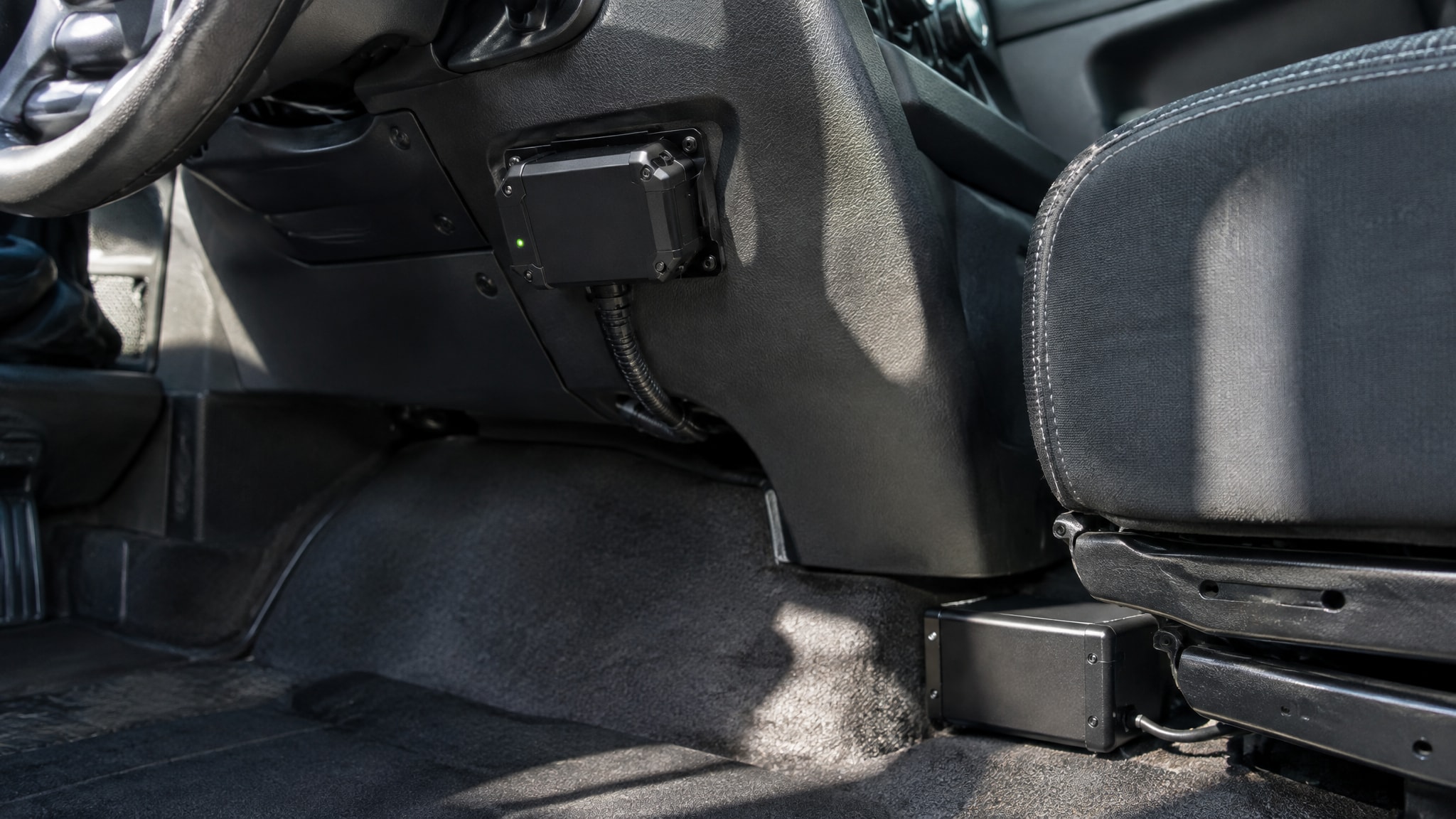
Basic recovery units do one job: locate a stolen vehicle so law enforcement or a private recovery team can retrieve it. These devices sit dormant until a theft event triggers them, so they offer no insight into daily driving habits or vehicle maintenance. Insurers treat them as loss mitigation tools rather than risk prevention, which limits how much they move the needle on your premium.
Telematics systems work continuously. They collect data on braking patterns, acceleration, cornering forces and time-of-day usage. That behavioural scoring lets underwriters price risk for the individual driver rather than leaning on demographic averages, and for luxury SUVs and performance vehicles, this active monitoring often unlocks discounts that passive recovery units simply can't reach.
Why Insurers Reward Risk Reduction
Insurance pricing rewards a verifiable drop in claim probability, not just claim severity. A tracked vehicle that shows consistent safe driving carries a statistically lower chance of accident-related claims, quite apart from theft risk. That's why some comprehensive policies stack theft protection incentives on top of behavioural safety rewards.
Premium reductions depend on the device meeting specific certification standards and staying active for the full policy period. Cancel the tracking service mid-term, and the insurer may recalculate your premium or apply a penalty at renewal. The risk reduction has to be sustained, not temporary, for the discount to hold.
Average Savings Versus Installation Costs
Weighing up a tracker means comparing its total cost against realistic premium savings, particularly on a pre-owned vehicle where depreciation has already shifted the asset's value. Over 70% of our business comes from repeat customers and referrals who care more about long-term ownership costs and vehicle security than the initial purchase price, and that same long view applies to aftermarket security spending.
Monthly Subscription Fees vs Premium Discounts
Tracker subscriptions in South Africa typically run from R150 to R450 a month, depending on the service tier and how much data it captures. Premium discounts vary, but often land between 5% and 15% on comprehensive policies for high-value assets. On a vehicle insured at R800,000, a 10% discount saves roughly R660 a month, comfortably clearing most subscription fees.
Lower-value vehicles tell a different story: the fixed subscription cost eats up more of the potential saving. A car insured at R250,000 might only see R200 a month in savings from the same percentage discount, which makes the net benefit marginal or even negative. Here, the decision should pivot from premium arbitrage to recovery assurance.
Break-Even Points for Luxury and Bakkie Owners
High-risk categories like double-cab bakkies and luxury SUVs often face mandatory tracker requirements as a condition of cover, whatever the voluntary discount structure says. For these vehicles, the calculation isn't about optional savings; it's about compliance. The cost simply becomes part of baseline ownership, like fuel or servicing.
Luxury sedans and performance cars often break even within three to six months once you combine premium discounts with a reduced excess. Bakkies used commercially tend to see faster returns, given higher base premiums and greater theft exposure. Private passenger vehicles in low-risk areas might never reach pure financial break-even, yet the peace of mind and resale value preservation can still justify the expense.
Insurer Requirements and Approved Device Lists
Not every tracking device satisfies an insurer's mandate, and installing an unapproved unit can leave you exposed even though you're paying for cover. Our Autoshed Approved inspection process checks existing security installations against current safety standards before any vehicle joins our premium inventory, because non-compliant hardware creates false confidence.
Understanding PSIRA and VESA Standards
The Private Security Industry Regulatory Authority (PSIRA) and the Vehicle Security Association of South Africa (VESA) set the technical benchmarks insurers rely on when approving devices. VESA sorts products into tiers based on functionality, tamper resistance and recovery success rates, and insurers map their discount structures directly onto those categories. A Category A device can unlock benefits a Category B unit simply can't.
Approved service providers have to maintain installation standards, technician certification and ongoing compliance audits. Buy a grey-market device, or use an uncertified installer, and you void most insurer recognition programmes. Check both the device model and the installer against your insurer's approved list before you commit.
Consequences of Non-Compliant Installations
Installing a non-approved tracker doesn't just cost you the discount; it can trigger a repudiated claim. If an insurer finds, during a theft investigation, that the declared security device was non-functional or uncertified, they may argue material misrepresentation. For an owner who believed they were covered, that's a devastating outcome.
Some policies include warranty clauses requiring annual verification of tracker function by an approved provider. Skip these checks to save a little money, and you create a vulnerability that only shows up when you claim. Regular verification protects your cover and keeps you eligible for future premium adjustments.
Beyond Premiums: Recovery Rates and Claim Excesses
The most tangible financial benefit of tracking often sits outside the monthly premium altogether, in reduced excess fees and faster claim settlements. Verified tracking data gives clear evidence of what happened, which removes ambiguity from the claims process. Over a typical ownership cycle, that evidentiary value can outweigh the premium savings.
Impact on Theft and Hijacking Claims
Tracked vehicles in South Africa show meaningfully higher recovery rates than untracked ones, though the exact figures vary by region and device tier. Faster recovery means fewer write-offs, which keeps vehicles on the road and keeps your transport uninterrupted. For business users tied to a specific vehicle configuration, that continuity has real, if hard to price, value.
Recovery data also supports prosecution, which feeds into broader community safety beyond your own loss prevention. Insurers factor that into their risk models, which indirectly supports premium stability across the whole insured pool. Your investment in tracking serves your own interests and the collective ones.
Reduced Excess Structures for Tracked Vehicles
Many insurers reduce theft excesses for vehicles fitted with approved tracking systems, sometimes cutting the standard excess by half or more. On a R900,000 vehicle with a 10% excess, that reduction saves R45,000 out of pocket during a total loss claim. One event like that can dwarf years of premium discounts.
Some policies waive the excess entirely for recovered vehicles where the tracking data confirms the circumstances of theft beyond dispute. That waiver rewards prompt reporting and cooperation with recovery teams. When you weigh up a tracker's value, treat this excess reduction as a contingent asset, one that pays off exactly when you need the cash most.
Privacy Considerations and Data Usage in 2026
Modern tracking systems collect a lot of behavioural data, which raises fair questions about surveillance and data governance under South Africa's Protection of Personal Information Act (POPIA). Responsible insurers draw a clear line between emergency recovery activation and continuous behavioural monitoring, and apply different consent frameworks to each. You keep rights over how your driving data feeds into pricing decisions.
Insurers must disclose their data retention periods and what they're allowed to use that data for before they start collecting telematics information. Reputable providers anonymise behavioural data for actuarial modelling and keep identifiable records strictly limited to claims processing. Check your tracking contract's privacy schedule to see whether it matches your comfort level.
Continuous location monitoring is a different thing from event-triggered recovery, both technically and in terms of privacy. Many premium trackers now offer user-controlled privacy modes that suspend behavioural scoring on personal trips while keeping theft protection active. That gives you room to get the insurance benefit without giving up your own autonomy.
Making the Right Choice for Your Pre-Owned Vehicle
Deciding whether to install or keep a tracker takes an honest look at your vehicle's risk profile, where you park and how you use it. Security tech should sit alongside a thorough physical inspection and sensible parking habits, not replace them. A tracker can't make up for careless storage or poor mechanical vetting.
Evaluating Tracker Necessity by Vehicle Category
Double-cab bakkies and popular SUV models in high-theft areas are non-negotiable tracker candidates, whatever the premium maths says. High resale demand, easy parts availability and organised crime targeting keep these vehicles perpetually at risk. Insurance mandates for these categories reflect that reality, not an arbitrary policy condition.
Executive sedans and performance cars get the most from telematics-based behavioural scoring, especially for drivers with a clean record chasing a better premium. Classic or low-volume vehicles may see little insurance benefit, but still gain real recovery assurance given how hard they'd be to replace. Check your specific model's theft statistics and how your insurer treats it before assuming the broader market trend applies to you.
Integrating Safety Tech with Ownership Costs
When you're exploring financing options for used cars, remember lenders often impose their own tracker requirements, separate from anything your insurer asks for. Lining up finance and insurance tracker specs avoids duplicate installations and conflicting warranties, so it's worth coordinating both during the purchase process.
If you're focused on avoiding problematic used cars, tracker verification belongs on your due diligence checklist. Confirming an existing installation is functional, compliant and transferable prevents surprises after you've bought the car. Our certified pre-owned inspection checklist includes security system validation for exactly this reason.
Tracking decisions should fit into your broader ownership strategy, not sit apart from it as an isolated security measure. View our premium inventory, where every vehicle has gone through rigorous security and mechanical vetting, a trustworthy foundation for whatever protection strategy you build on top.
Frequently Asked Questions
Does installing a tracker guarantee lower insurance premiums?
No, premium reductions depend on your insurer's specific risk model, the device's VESA certification category and whether you opt into behavioural scoring. Basic recovery units may offer minimal or no discount compared to advanced telematics systems. Always confirm eligibility with your broker before assuming savings.
What is the difference between recovery units and telematics for insurance?
Recovery units activate only during theft events to locate stolen vehicles, while telematics systems continuously monitor driving behaviour for risk scoring. Insurers typically reserve significant premium discounts for telematics because they reduce accident probability, not just theft losses. Recovery-only devices primarily affect excess structures rather than monthly premiums.
Can a tracker reduce my theft claim excess?
Yes, many South African insurers offer reduced or waived theft excesses for vehicles with approved tracking systems. This saving can amount to tens of thousands of rands during a total loss claim, often exceeding cumulative premium discounts. Verify your specific excess reduction with your insurer before relying on it.
Do tracker subscriptions outweigh insurance savings for used cars?
For lower-value vehicles, monthly subscription fees may exceed premium discounts, making pure financial break-even unlikely. However, high-risk assets like bakkies and luxury SUVs often justify the cost through mandatory compliance requirements and substantial excess reductions. Evaluate your vehicle's specific risk profile rather than applying blanket assumptions.