
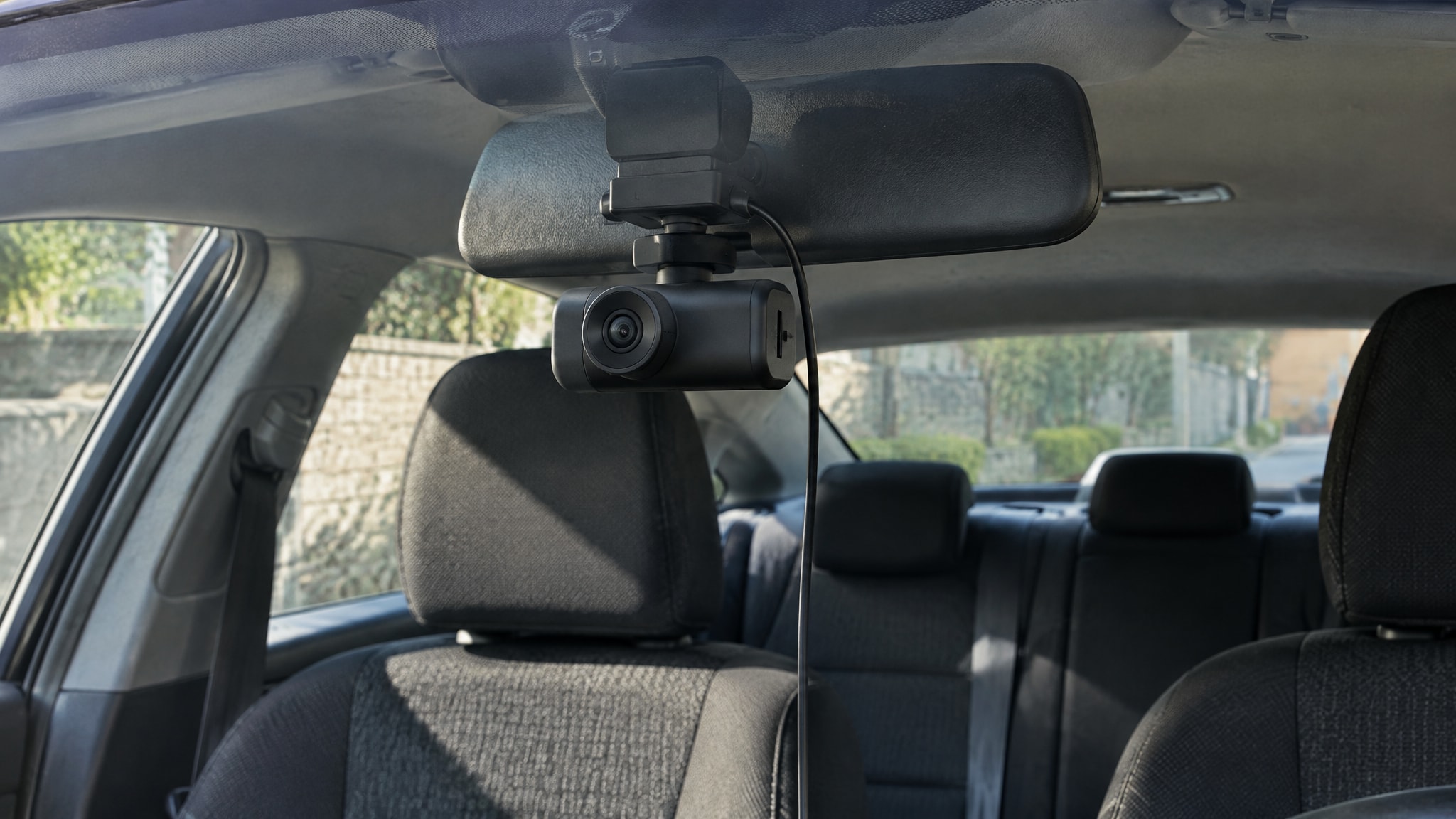
Gift season means more kilometres, fuller roads and more strangers behind the wheel. It also means more chances for a small bump to become an argument about who did what. A dash cam settles that argument with a timestamp.
After 28+ years of combined motor industry experience, we've seen how buyers use and equip their cars. We recommend a dash cam as a practical add-on, not a sales extra. Here is what one does, what the rules say and what to look for.
What a dash cam does and which type suits you
A dash cam records every drive on a small camera fixed to your windscreen. It matters because it records what happened, not what each driver remembers afterwards.
- Front-only: films the road ahead. It suits the daily commuter.
- Front-and-rear: also films behind you, where rear-end shunts happen. It suits family road trips and long highway stretches.
- Cabin camera: also films the interior. It suits e-hailing and lift-club drivers who carry passengers.
Two features do the quiet work. Loop recording overwrites the oldest footage when the memory card fills, so you never have to clear it by hand. The G-sensor detects a sudden impact and locks that clip, so the footage of a collision isn't recorded over minutes later.
Are dash cams legal in South Africa?
In general, owning and using a dash cam for your own protection is common and accepted on South African roads. What matters is how you mount it and what you do with the footage afterwards. This is general guidance rather than legal advice, so take proper advice on anything contentious.
Where you may mount it
The camera must not block your view of the road. Keep it out of the area directly in front of the driver, and tuck it behind or beside the rear-view mirror, where it sits out of your line of sight and still sees the whole lane ahead.
Route the cable along the edge of the windscreen, not across it. If you're unsure about a position, ask the fitter to confirm it doesn't obstruct your view.
POPIA and sharing footage online
Number plates, faces and voices can count as personal information under the Protection of Personal Information Act (POPIA). Recording the road for your own protection is one thing. Broadcasting what you recorded is another.
Cabin cameras and sound recording need more care. If your camera films the interior or records audio, tell your passengers, and switch audio off if you don't need it. Legal commentators warn that recording more than you need for safety carries more POPIA risk.
Handing a clip to your insurer, the police or your attorney, to support a claim or a report, is a clear and sensible use. Posting it on social media for views is riskier, because it puts strangers' details in front of thousands of people who never agreed to it.
If you do want to share a clip publicly, blur plates and faces first, and take advice if the footage involves a dispute or a crime.
Dash cam footage, insurance claims and discounts
Footage is useful because it is neutral, and neutral evidence moves a disagreement forward. Whether it earns you a lower premium is a separate question.
How footage helps in a claim or accident dispute
Picture a typical case: a disputed lane change at a busy intersection. Each driver tells a different story, and without evidence it comes down to word against word. A timestamped clip shows who indicated, who drifted and who braked late.
Footage also helps when the other driver leaves the scene, or when someone brakes hard on purpose to cause a collision. In those cases you hold a record of the plate, the manoeuvre and the time. For a sense of the stakes when the other driver has no cover, read what happens after an accident with an uninsured driver.
Footage is evidence, not a guarantee, and your insurer still decides the claim. It also does not stop a collision or replace proper cover. If you'd like to understand how insurers assess claims, start there.
Will your insurer give a discount?
We won't promise you one. Whether a discount exists depends on your insurer and your policy, so ask them directly before you buy, and ask whether they accept dash cam footage in a claim.
For most owners the real return is proof. A discount, if you get one, is a bonus.
What to look for when buying a dash cam
A cheap camera that fails on the day you need it is worse than none, because you assumed you were covered. Check these before you buy:
- Resolution: Full HD is the minimum. Higher resolution makes number plates easier to read, which is the detail that usually matters.
- Night vision: look for good low-light performance. Many incidents happen after dark, under streetlights.
- Heat resistance: a car parked in the Highveld sun gets punishingly hot, and heat wears out the battery in a cheap dash cam. Cameras with a supercapacitor instead of a battery generally cope better.
- Parking mode: it records bumps and break-ins while you're away, and it usually needs a hardwired connection.
- Memory card: use a card made for continuous recording, because ordinary cards fail under constant rewriting. Choose a capacity that holds a few hours of footage.
We don't pick brands or retailers for you. Budget cameras can do the basics, and spending more usually buys sharper night footage and better heat tolerance. If you're also thinking about security, our guide to staying safer on the road and avoiding hijacking hotspots is worth a read.
Hardwired or plug-in: installation and battery drain
A plug-in camera runs off the 12V socket. You fit it in minutes yourself, but the cable dangles and parking mode usually isn't possible.
A hardwired camera connects to the fuse box. It looks tidier and enables parking mode, but it's best done by a fitter.
On battery drain, a properly installed hardwired kit has a low-voltage cut-off. It switches the camera off before your battery runs too low to start the car. The real risk is an older or weak battery, which struggles whatever you plug in, so have it tested first.
If you're shopping for your next car, browse The Auto Shed's stock. Every car is Dekra roadworthy with verified service history, we arrange finance through the major banks and we deliver nationwide. WhatsApp us on 077 600 5558 for a no-pressure chat. If a vehicle isn't good enough for our family, it isn't good enough for yours.
Frequently asked questions
Are dash cams legal in South Africa?
Using one to protect yourself is common, provided it doesn't block the driver's view of the road. Be careful with what you do with the footage, because POPIA applies to other people's personal information.
Can dash cam footage be used in court?
Footage can support your account in a claim, a police report or a dispute, but it is evidence rather than a guarantee of the outcome. For anything heading to court, ask your attorney how to preserve and present the original clip.
Do dash cams drain your car battery?
In most cars a plug-in camera only runs while the ignition is on (some 12V sockets stay live, so check yours), and a hardwired kit with a low-voltage cut-off stops before the battery gets too low. An old or weak battery is the real risk, so have it tested before you fit parking mode.