
Demo Vs Used Car: Which Is Better to Buy in SA?
, 11 min read
- demo car south africa
- buying near new car sa
- low mileage used car benefits
- demo car price south africa
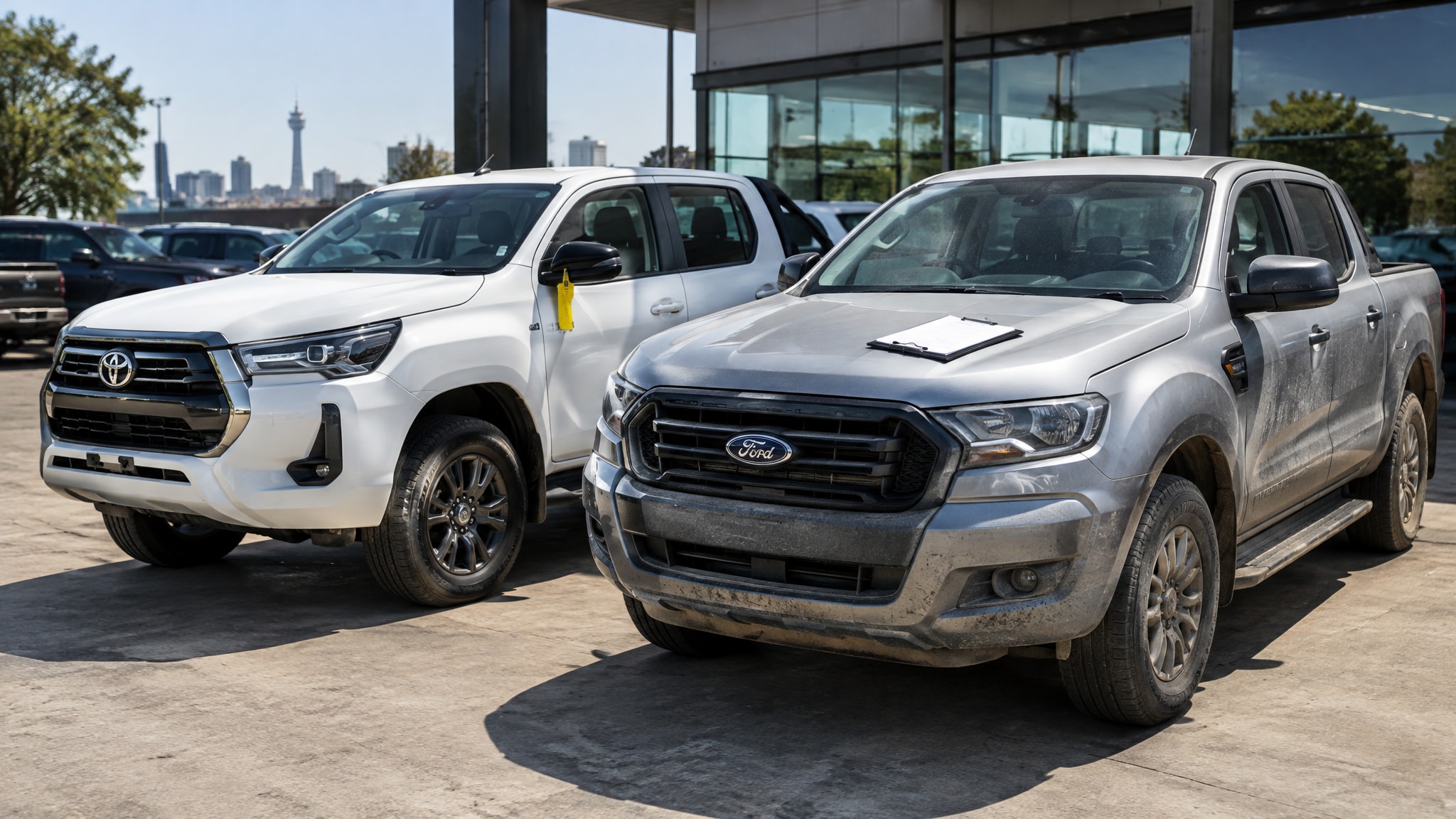
Most buyers who weigh a demo against a used car want the same thing: something close to new, without new-car money. It is a sensible aim. The catch is that "near new" is a sales label, not a standard, and the two routes get you there in very different ways.
This guide sets out how a demo and a low-mileage used car compare on price, kilometres and cover. It also covers the checks that apply whichever you pick.
The short answer for most buyers
For most buyers, a low-mileage, inspected used car offers better value and a clearer history than a demo. You pay for a car that has had a documented life, not for the last few months of a "new" tag.
Demo or low-mileage used car
| Demo | Low-mileage used | |
|---|---|---|
| Price | Below new, above older used | Usually better value |
| Factory cover | Often most of it left | Usually less |
| Usage history | Staff and test drivers | Documented, often one owner |
| Suits | Maximum cover, will pay | Value, inspected history |
A demo makes more sense in one situation. If the price gap to a comparable used car is small, and having the most factory cover matters more to you than saving money, the demo can be the right call.
That is why we suggest comparing two specific cars side by side, as the sections below show, instead of choosing a category first.
Demo cars in South Africa: what 'near new' really means
Dealers use several terms loosely, so it helps to pin them down.
- Demonstrator (demo): a car a dealership registers and uses for test drives, customer loans or staff.
- Ex-demo: the same car once the dealership sells it on.
- Pre-owned: a car that has had a previous owner, or owners, outside the dealership.
So is an ex-demo still new? Not in the strict sense. It has been registered and driven, which means it has a first-registration date and a history, even if a short one. The label tells you the car is young, not that it is untouched.
What the label does change is the price and the cover. An ex-demo usually sells below the new list price, and any factory warranty or service plan may still have much of its term left. What it does not change is the fact that the car has been used, and by people who were not its eventual owner.
Buying near new in SA is a good idea in principle: let someone else take the first, steepest slice of depreciation. A demo is one way to do that, but a low-mileage used car is another, and you should compare them on the same terms.
Which gives better value: a demo car or a used car?
A demo car price in South Africa usually sits below the new list price, yet above that of an older used car of the same model. The gap makes sense, because the demo is younger, closer to new and often still under factory cover. Whether it is fair depends on how much of that you will actually use.
Why demo car prices in South Africa often sit above older used cars
Three things push a demo's asking price up. It is only months old, it may carry most of its factory warranty and service plan, and a dealer can point to the new list price as an anchor for negotiation.
Those are real advantages, so the premium is not automatically a rip-off. It is only fair if the extra cover and youth justify the gap in your case, and if you plan to keep the car long enough to benefit.
If you intend to sell within a couple of years, you are paying for cover you will hand to the next owner without being repaid for it.
Comparing like with like: age, kilometres, specification and history
A demo and a used car are only comparable when you strip out the differences. Line up these points for each car:
- Model and derivative: the same engine, gearbox and trim level.
- Age: the first-registration date, not the model year on the advert.
- Kilometres: the odometer reading, and what produced it (more on that below).
- Specification: options fitted, because a well-specified older car can beat a bare newer one.
- Remaining cover: warranty and service plan, with end dates and kilometre limits.
- Known work and history: repairs, accident repairs, finance owing and the service record.
Take one demo and one low-mileage used car of the same model, with similar age and similar kilometres. Set both asking prices against remaining cover, any known work, the service record and any finance owing before deciding which offers more value. Often the used car comes out ahead.
An Auto Shed Approved, low-mileage car is a fair car to test a demo against. Each vehicle we list is vetted through our strict Auto Shed Approved inspection process, and we are glad to walk you through what that covers for any car you are considering.
Price is also only half the picture. For the other half, see what a car really costs to run each month, because insurance, fuel and servicing can shift the comparison.
Low-mileage used car benefits, and where kilometres mislead
A low-mileage used car gives you most of what makes a demo attractive: a young car, light wear and a lower price. The benefits are real. They only hold if the kilometres tell the truth.
Demo kilometres against low-mileage used kilometres
Demo kilometres are usually modest, but they are not directly comparable with a private owner's. A demo has usually been driven by dealership staff and test drivers over its life, so the odometer alone does not show how it was used. A single-owner car with a documented service record usually gives a clearer story.
Think about what a test drive involves. Different drivers, cold starts, hard acceleration to see what the engine does, and little interest in looking after the car. None of that is dramatic, but none of it shows on the odometer either.
You should not assume a demo has been mistreated. The point is that you cannot tell either way from the number alone.
Why usage history matters as much as the odometer
Low kilometres do not cancel age. Seals, rubber, batteries and fluids wear with time as well as distance, so a car that has sat for long stretches can need work that its odometer would never predict.
For that reason, we would put these ahead of the odometer reading:
- A documented history, with dates, stamps and invoices.
- A service record that matches the kilometres.
- A pre-purchase inspection by someone who is not selling you the car.
History also shapes resale value. A car with a clean, complete record is easier to sell on and holds its price better, and what erodes trade-in value is often the gaps and neglect that a record would have prevented. If you want to know what a full pre-owned inspection should cover, that guide goes through it item by item.
Warranty expectations: remaining cover on a demo versus a used car
Cover is where a demo has its strongest argument, and where buyers most often assume too much. Whatever the advert says, you need the actual dates and terms for the specific car in front of you.
What remaining factory cover on a demo usually means
Factory warranty and service plans often run from first registration, not from the day you buy. A recently registered demo may therefore still have most of its cover. A demo that has been on the floor for a year has already used up part of it.
Check these on the specific car:
- The start date of the warranty and service plan.
- The kilometre and time limits for each.
- Whether the plan transfers to you as the new owner.
- Any conditions, such as servicing at an approved dealer.
Do not rely on a verbal "it's still under warranty". Ask for the details to be put in writing, and confirm them with the manufacturer's dealer network if you can.
What a used car's cover looks like, and what to get in writing
South Africa's Consumer Protection Act gives buyers baseline protection on dealer sales. How far that reaches on a used vehicle depends on what was disclosed and what was signed, so the terms belong in writing.
Some certified pre-owned programmes can extend cover beyond that baseline, but only where such a programme exists and only on its stated terms. Before you sign, get in writing:
- What the cover includes and, just as important, what it excludes.
- How long it lasts, in months and kilometres.
- Who pays for repairs and how a claim is made.
- Any promise made about the car's condition or history.
We will not quote a warranty term here, because it differs from car to car. Ask us about the history and cover of any specific vehicle and we will go through it with you in plain terms. If you are also weighing a private sale, buying from a dealer or a private seller explains how the protection differs.
A used car's cover will usually not match a demo's remaining factory warranty. If maximum manufacturer backing is your priority, say so up front.
Checks to make before you commit, whichever car you choose
Demo or used, the same checks apply, and skipping them is more expensive than any price difference. You can run most of them before you pay a cent.
- Finance owing and stolen status. Confirm the car is not financed to a bank or recorded as stolen. This guide shows how to check for finance owing or a stolen record.
- Service records. Look for a complete, dated history that fits the kilometres.
- Inspection findings. Ask to see them, including anything that was repaired.
- A proper test drive. Cold start, mixed roads, and enough time to listen for noises and check every control.
- Paperwork. Make sure what you are told matches what you are asked to sign.
Finish with a written summary of what you agreed, including the price, any extras and any cover.
Red flags to check on any dealer's stock
Some warning signs matter more than the car itself. Walk away if you see any of these:
- Pressure to sign quickly, or a "this price ends today" push.
- Reluctance to show records, the inspection report or the paperwork.
- Gaps in the service history with no sensible explanation.
- Vague answers on finance owing, previous accidents or ownership.
- Promises that are not in writing.
A good dealer will not mind you taking your time. If anything on this list makes you uneasy, trust that feeling and leave.
Choosing between a demo and a low-mileage used car
Your choice comes down to priorities, budget and how long you plan to keep the car.
A demo suits you if you want the most factory cover and will pay for it. It also fits if you plan to keep the car for years, so that cover gets used, and if the price gap to a comparable used car is small.
A low-mileage used car suits you if you want value and a transparent, inspected history. It fits if you would sooner put the saving towards running costs, an upgrade or a bigger deposit, and if you would rather have records you can read than a "near new" label.
Neither is for everyone. A low-mileage used car is not the right pick if you want the longest possible manufacturer backing, and a demo is hard to justify if you would pay a lot extra for cover you will never claim on.
Where an Autoshed Approved, low-mileage car makes the most sense
We built The Auto Shed on a simple belief: if a vehicle isn't good enough for our family, it isn't good enough for yours. Every car we list is hand-selected and goes through our Auto Shed Approved inspection, and behind it sit 28+ years of combined motor industry experience.
Repeat customers and referrals make up the majority of our business, so our reputation rests on how a car performs long after the handover. That is why we would rather you ask difficult questions now than find answers later.
Here is what we offer around the car itself:
- Financing, so the right car does not depend on paying cash.
- Trade-ins and vehicle buy-back, so you know how you will exit before you buy.
- Nationwide delivery from Centurion, wherever you are in South Africa.
If you are comparing a demo with a used car, bring us the demo's details and we will compare it honestly with what we have. You are welcome to browse our inspected, low-mileage stock, or call us about the history and cover of a specific car.
Frequently asked questions
Which is better, a used car or a new car?
A new car gives you full factory cover and no previous history, but you pay the most for it. A low-mileage used car lets the first owner absorb the steepest depreciation, so it usually offers better value. A new car suits you if cover and being first owner matter more than price.
Does the warranty on a demo car transfer to me?
Often it does, but you should not assume so. Factory warranties and service plans usually run from first registration, so check the start date, kilometre limits and transfer conditions on that specific car. Get the answers in writing before you sign.
What is a red flag at a car dealership?
Pressure to sign quickly is the clearest one. Others include reluctance to show service records or inspection findings, vague answers about finance owing or ownership, and promises that are not written down. A dealer you can trust will give you time and paperwork.
Can I buy a car from The Auto Shed if I do not live near Centurion?
Yes. We are based in Centurion and arrange delivery nationwide across South Africa. Call us about the history and cover of any car you are considering, and we will talk you through it before anything is arranged.