
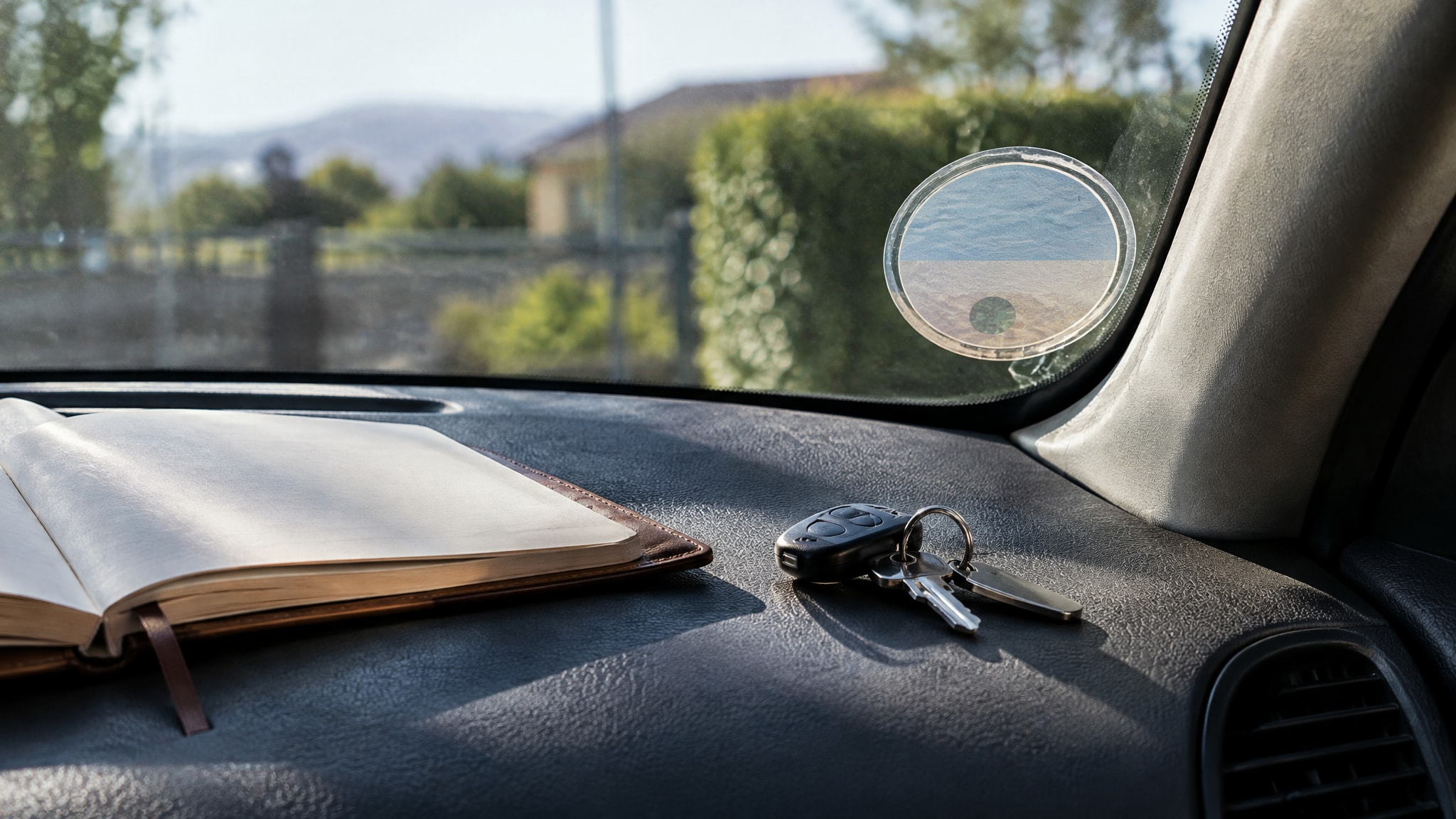
Few motoring costs are as easy to forget as the licence disc. It sits in the corner of the windscreen for a year, then suddenly it is due again. Here is what we tell our own customers about the renewal, and how to plan for it. Gauteng, for example, published draft increases to licence and registration fees in August 2026, and government is also considering a separate Road Accident Fund fee linked to licence renewals.
Why Your Licence Disc Is About to Cost More
Vehicle licence fees are reviewed and adjusted periodically, and over time the direction is upward. So you should expect your next renewal to cost more than your last one.
That is no reason for alarm. Think of it as ordinary preparation, in the same category as a service booking or an insurance renewal.
We have deliberately not quoted a new figure in this article. The fee depends on your vehicle and your province, and the official number is the only one worth budgeting against. Check it with your provincial licensing authority or the official government licensing channels before you pay. A dealer's article is not the place to get the exact amount, and we would not want you to rely on one.
What we can do is explain what drives the cost, so the official figure makes sense when you see it.
What Actually Drives the Cost of a Vehicle Licence Renewal
Owners often assume the fee is a flat amount. It is not, and the difference matters most if you drive something larger than a hatchback.
How Vehicle Type, Mass and Province Affect Your Fee
Three things shape the renewal amount:
- Vehicle category. A passenger car, a light commercial vehicle and a motorcycle are not treated alike.
- Mass or tare. Heavier vehicles generally sit in a different bracket from lighter ones.
- Province. Each province applies its own rules, so the same vehicle can attract a different fee depending on where it is registered.
If you own a double-cab bakkie, a large SUV or an executive saloon, you are unlikely to pay what the owner of a compact city car pays, and your fee may change differently when the tariffs are revised. Your registration certificate and licence disc show the details the authority uses, so start there.
Renewal Fee, Penalties and Other Charges: What Is Separate
The renewal fee is only one possible charge. A late-renewal penalty is a separate cost. There’s a 21-day grace period after the expiry date, but once that passes, penalties are added for every month the disc stays overdue.
Penalties are the one part of the bill you control completely. Pay on time and they never appear.
Other items can sit on top too, such as outstanding fines that must be dealt with first. When you receive a quote or a total at the counter or online, ask what each line is for. You should be able to tell the fee from the penalty and from anything else.
How to Renew Your Licence Disc and Avoid Penalties
Renewing before the expiry date avoids penalties and a good deal of avoidable stress. Queues are shorter and systems are calmer when you are not racing a deadline.
Where and How to Renew: Online, Post Office or Licensing Department
You can renew in three ways, and the best one depends on how much of the process you want to handle yourself:
- Online. If your details are in order and nothing needs to be checked in person, this is usually the quickest route.
- At the Post Office. Many owners prefer it because it is close to home and handles the transaction over the counter.
- At a licensing department. This suits cases where something needs an official to look at it, such as a query on your record.
Processes change, and requirements differ between provinces and branches. Confirm the current process with your licensing authority before you set off, so you do not queue for something you cannot finish that day.
Documents to Have Ready and Mistakes to Avoid
Delays at the counter nearly always come from missing paperwork. Have these ready:
- Your ID document
- Your renewal notice
- A roadworthy certificate, where it applies to your situation
The most common mistakes are simple ones. Owners wait until the last week, forget to look for outstanding traffic fines, or find the notice went to an old address. Any of these can hold up a renewal that should have taken ten minutes.
Check for fines early. If one is outstanding, you want to learn that with weeks to spare, not on the day your disc expires.
Why Higher Licence Fees Matter More Than They Look
On its own, the annual licence renewal is a small line. You pay it once a year, and it is dwarfed by insurance, fuel, tyres and servicing.
Still, small lines add up, and they are the ones people forget to budget for. A fee that rises when you were not expecting it feels worse than it should.
Our advice is to spread it out. Divide the expected annual amount by twelve and set that aside each month, so the renewal never arrives as a surprise. If you want the full picture, we have laid out what a car really costs to run each month, and the licence belongs in that budget next to other costs that move every month, such as petrol.
One caution: building a licence line into your budget protects your cash flow, but it will not tell you the new fee. Only the official figure does that.
Budgeting for Licence Costs When You Buy a Used Car
If you are buying a premium used vehicle, the licence is part of the purchase conversation, not an afterthought. We say this from experience. Across 28+ years of combined motor industry experience, our team has seen how often paperwork is the part of a purchase that catches buyers out.
Check the Licence Status Before You Pay
Before you hand over any money, look at the disc. The expiry date tells you how much time is left and whether a renewal is due soon.
Then confirm that the vehicle has no outstanding fines against it. This belongs alongside the other things you should check a car before you buy it, such as whether it is stolen or still has finance owing.
When you buy from a dealer rather than a private seller, you should expect the dealer to deal with all of this for you. If a seller is vague about the licence, treat that as a signal.
Licence, Registration and Transfer Costs on a Dealer Purchase
Annual renewal is not the same as registration and transfer. Renewal keeps a vehicle legally licensed each year. Registration and transfer move ownership into your name, and they carry their own costs. If you want the detail, here is how to transfer car ownership step by step.
We are open about these costs from the start. When a customer takes delivery, we walk them through licence status, registration and transfer costs so nothing comes as a surprise.
Does a Different Vehicle Change What You Pay?
It can. A heavier vehicle such as a double-cab bakkie or a large SUV may carry a different fee from a compact car, so it is worth checking before you choose.
Take a buyer weighing up a double-cab bakkie. They should put the annual licence renewal in the budget next to insurance, fuel and servicing, because the heavier vehicle may not cost the same to licence as the car it replaces. We have kept this qualitative on purpose; the exact amount comes from your licensing authority.
If you are mixing up the vehicle disc with your own card, note that it is a separate matter. We have covered the changes to driver's licences in South Africa elsewhere.
Practical Steps to Take Before Your Next Renewal
A few small habits make renewal painless:
- Expiry date: put it in your diary, with a reminder a few weeks ahead.
- Official fee: look it up before you go, so the total holds no surprises.
- Fines: settle any that are outstanding well before the disc runs out.
- Your details: keep your address and contact information up to date, so the renewal notice actually reaches you.
None of this takes long, and all of it protects you from penalties.
If you are thinking about your next vehicle, we are happy to talk. Ask us about licensing, registration and transfer costs on a premium used car, and we will explain them plainly. There is no pressure and no sales pitch, just the kind of honest advice we would want for our own family.
Frequently asked questions
How much will my licence disc cost next year?
We cannot give you a reliable figure, because it depends on your vehicle type, its mass and your province. Fees are reviewed periodically and tend to rise, so expect an increase. Confirm the exact amount with your provincial licensing authority or the official government channels before you pay.
Do I pay a penalty if I renew late?
Yes. A late-renewal penalty is charged separately from the renewal fee once the disc is more than 21 days past its expiry date, and it grows for each month you’re late. Renewing before the expiry date means you avoid it entirely.
Where can I renew my licence disc?
You can renew online, at the Post Office or at a licensing department. Requirements can differ between provinces and branches, so confirm the current process with your licensing authority first. Take your ID document, your renewal notice and, where it applies, a roadworthy certificate.
What is the difference between licence renewal and registration or transfer?
Renewal is the yearly payment that keeps a vehicle legally licensed. Registration and transfer put the vehicle into your name when you buy it, and they carry their own costs. On a dealer purchase, we explain both before you take delivery.
Should I check the licence disc on a used car before buying?
Yes. Look at the expiry date and confirm there are no outstanding fines on the vehicle. A current licence and a clean history are part of what we mean by Autoshed Approved.