
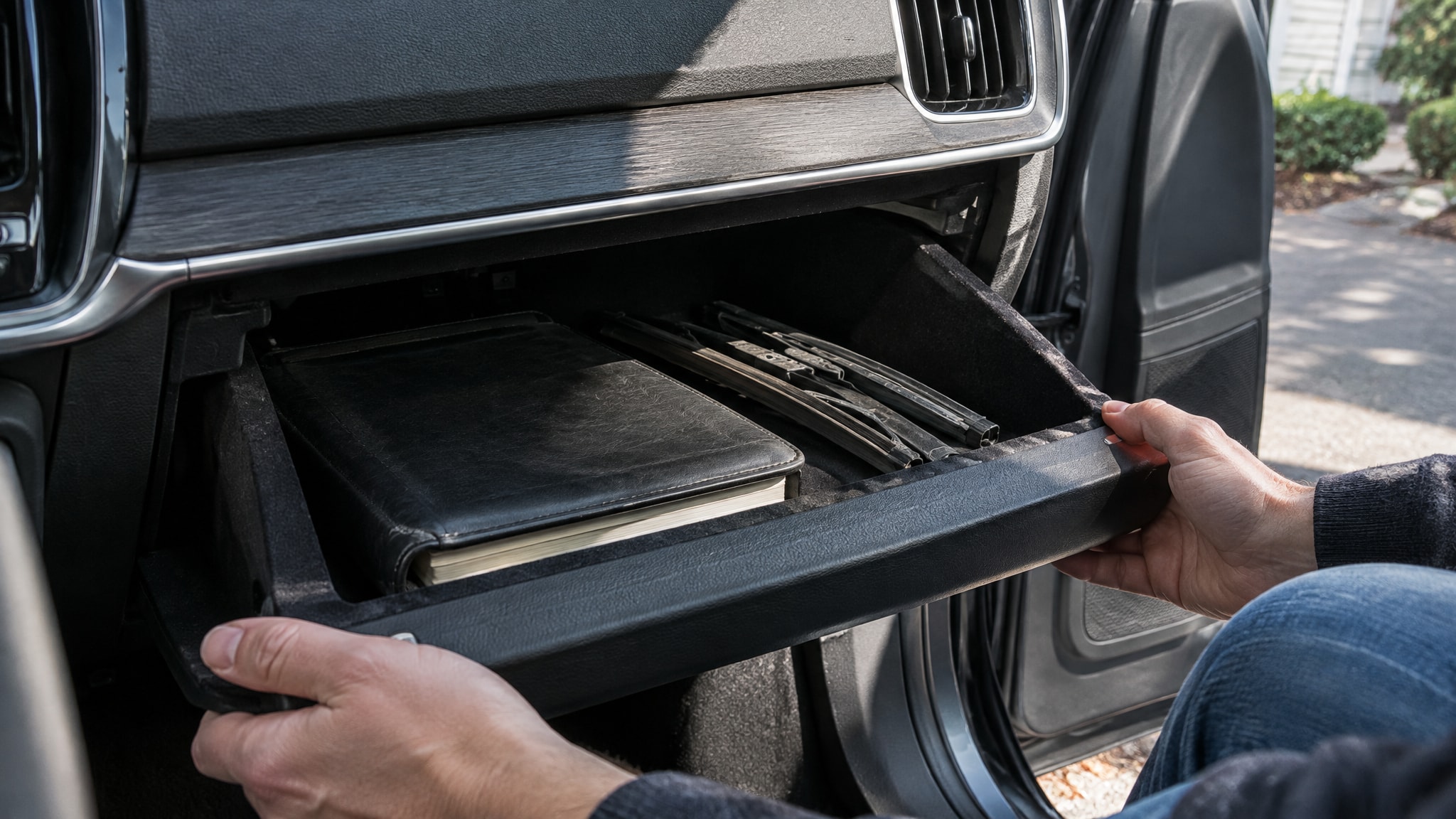
When you buy a premium used car, there is often a booklet or contract in the glovebox that promises "cover". It might be a service plan, a maintenance plan or a warranty. They sound alike, and they pay for very different things.
We have spent 28+ years combined in the motor industry, and this is one of the questions we hear most. Here is how we explain it to our own family and friends.
Service Plan vs Maintenance Plan: The Short Answer
A service plan prepays the scheduled services your car needs, following the manufacturer's service schedule. A maintenance plan does the same and then goes further, because it also covers a list of wear-and-tear items such as brake pads and wipers.
Service plan, maintenance plan and warranty
| Pays for | Claim trigger | Typical gaps | |
|---|---|---|---|
| Service plan | Scheduled services | A service falling due | Wear items, unplanned repairs |
| Maintenance plan | Services plus listed wear | Service due or listed item | Breakdowns, unlisted items |
| Warranty | Mechanical or electrical | A part failing unexpectedly | Routine servicing, normal wear |
Neither is a promise to fix everything that goes wrong.
Terms differ between manufacturers and between dealers, so the wording of your own contract is the only thing that settles what is covered. Treat everything below as the usual pattern, not a guarantee for any one vehicle.
What a Service Plan Covers (and What It Leaves Out)
The purpose of a service plan is predictable servicing costs. You or the previous owner paid for the services up front, so each scheduled visit to the workshop is already settled. For an owner of a premium SUV or executive sedan, where a single service can be a serious expense, that certainty is the whole appeal.
Typical inclusions: scheduled services at set intervals
A service plan normally pays for the services in the manufacturer's schedule, carried out at an authorised service centre. Each service is tied to a distance or a time interval, whichever the plan says comes first.
What is normally in a service: the labour, the oil and the oil filter, and the other items the schedule calls for at that interval. The schedule decides the rest, so one service may include more than the one before it.
Common exclusions: wear-and-tear parts and unplanned repairs
A service plan usually leaves out wear items, such as brake pads, discs, wiper blades and clutches, unless a specific service names them. It also leaves out unplanned repairs.
So the plan will pay for the scheduled service, but if the brakes need replacing between services, that bill is yours. If you buy a car with only a service plan, you should expect to pay for wear items yourself.
What a Maintenance Plan Adds on Top
Think of a maintenance plan as the broader option. It covers servicing labour and parts, and it adds a defined list of wear items, so fewer surprises reach your bank account over the term of the plan.
On a typical maintenance plan, the question is never "is it covered?" in general. It is "is this exact part on the list, and has it worn out in the way the plan describes?"
Wear-and-tear items such as brake pads, discs and wipers
A good maintenance plan should cover the scheduled services plus the common items that wear out through normal driving. Brake pads, brake discs and wiper blades are the usual examples, and some plans list further items. The exact list sits in the plan wording, so read it before you rely on it.
Here is a typical case. Take the same premium SUV, with a service plan on one and a maintenance plan on the other. Both reach their 60 000 km service. On the service plan, the scheduled service is paid for, but when the workshop finds the front brake pads worn down, the owner pays for the pads and the fitting. On the maintenance plan, the pads are a listed wear item, so the plan pays for them as well.
The service itself costs the owner nothing in either case. The difference is who pays for the pads.
Where a maintenance plan stops short of a full warranty
A maintenance plan does not insure you against breakdowns. It will not usually pay for a failed gearbox, a faulty electronic module or an air-suspension fault, because those are failures rather than wear.
Plans also set limits on what counts as wear and tear. Damage from misuse, accidents or neglected servicing is typically excluded, and a part that was already worn when the plan began may be treated differently from one that wears during it. If you want protection against failure, a plan on its own is not for you. You need a warranty as well.
Service Plan vs Maintenance Plan vs Warranty
Servicing and maintenance are often used as if they mean the same thing, but under a motor plan they do not. Servicing is the scheduled work in the manufacturer's schedule, while maintenance, in a plan, adds the wear items that need replacing between services. Always check which word the contract uses and what it lists underneath.
| Cover type | What it pays for | What triggers a claim | Typical gaps |
|---|---|---|---|
| Service plan | Scheduled services at set intervals | A service falling due | Wear items and unplanned repairs |
| Maintenance plan | Services plus listed wear items | A service falling due, or a listed item wearing out | Breakdowns and items not on the list |
| Warranty | Mechanical or electrical failure | A part failing unexpectedly | Routine servicing and normal wear |
Why a warranty is a different kind of cover
A warranty responds when something fails. A service or maintenance plan covers planned upkeep, which you can predict from the schedule. That is the difference in one line: a warranty is a safety net for the unexpected, and a plan is a prepayment for the expected.
Warranties come with their own conditions, too. Many require you to keep to the service schedule, so skipping a service can put a later claim at risk. Read the exclusions in both documents with equal care.
How the three can work together on one vehicle
On a well-supported premium car, the three often sit side by side. The service plan or maintenance plan pays for servicing and, in the second case, wear items. The warranty stands behind the mechanical and electrical parts. Together they leave very little for you to pay in the early years, but only for the items each document names, and only within its own time and kilometre limits.
Which Is Right for You? Mileage, Age and Budget
Choosing between a service plan and a maintenance plan on a used premium vehicle comes down to four things: how far you drive, how old the car is, what its parts cost, and how long you will keep it. If you are not sure where you sit, start with the kilometres.
Matching the plan to how you drive
Annual distance matters most, because plans end at a kilometre limit or a time limit, whichever arrives first. If you cover long distances for work, the kilometres may run out long before the months do. Compare your own yearly figure with the average kilometres per year in South Africa to see whether you are a typical driver or a heavy one.
Age and parts cost matter too. A newer car is still mostly in its service-plan years, while an older one is more likely to need brake components, so a maintenance plan earns its keep sooner. Premium and luxury parts cost more, and that makes the cover for wear items more valuable on a performance model or a large SUV than on a small hatchback.
If you plan to keep the car for many years, think about what happens after the plan ends, because you will then be paying for every service yourself.
Questions to ask before you sign
Our advice as dealers is simple: read the plan wording for exclusions, kilometre and time limits, and transferability before you assume anything is covered. Ask these:
- Does the plan transfer to a new owner, and is there a fee or a form to complete?
- Must servicing be done at an authorised workshop, or can another approved workshop do it?
- What are the kilometre and time limits, and which one applies first?
- Can the plan be cancelled, and is any of the cost refunded?
- Which wear items are listed, and how does the plan define wear and tear?
- What happens if the plan runs out before the car is sold?
Keep the answers in writing. A verbal "yes, that's included" will not help you when a workshop asks for the contract.
Buying a Used Premium Vehicle: What Plan Status Means
If a pre-owned car still has a plan, it can be worth real money to you. The same car without one will cost more to run in its first years with you. That is why we look at plan status on every vehicle we prepare.
Our family's rule is simple: if a vehicle isn't good enough for our family, it isn't good enough for yours. Every Autoshed Approved vehicle goes through our inspection, and we check the service history and any remaining plan or warranty cover as part of it. We would rather tell you what a car does not have than let you find out at the first service.
Checking whether a plan or warranty is still active and transferable
Do not assume a plan is still running because the car is relatively young. Confirm the remaining months and the remaining kilometres, and check which of the two will end first. Then confirm whether the plan can pass to you as the new owner.
Demo cars are a good example, because they often carry a remaining manufacturer plan, which changes the maths in a demo versus used car decision. Plans can differ from one car to the next, so check each one separately.
Reading the service history alongside the plan
A plan only pays for what it names, and a warranty may depend on services being on time. So the service history and the plan belong together. Look for a full record of services at authorised workshops, with dates and distances that line up with the plan's schedule.
Gaps in the history are a warning sign. They can mean a lapsed plan, a weaker warranty position or work that was skipped. The wider vetting steps are in our guide on how to avoid buying a bad used car, and plan and history checks are part of them.
Budgeting for Servicing Beyond the Plan
Even the best plan leaves costs with you. Tyres, fuel and insurance sit outside it, and so do repairs that fall outside what the plan names. A car with full cover is not a car with no running costs.
Over 70% of our business comes from repeat customers and referrals, which is why we explain ownership costs honestly up front. We would rather you buy with a clear budget than be surprised in month six. For the wider picture, see what a car really costs to run each month, where the plan is only one line.
If you are weighing up a particular vehicle, browse our Autoshed Approved vehicles or contact us. We will go through the service history and any remaining plan cover with you, honestly and without pressure.
Frequently asked questions
What is the purpose of a service plan?
A service plan prepays the scheduled services in the manufacturer's schedule, so servicing costs are predictable. It normally pays for the labour, oil, filters and other items the schedule calls for. It does not usually cover wear items or unplanned repairs.
Are service and maintenance the same?
Not under a motor plan. Servicing is the scheduled work in the manufacturer's schedule, while maintenance in a plan adds listed wear items such as brake pads and wipers. Check the contract, because the wording differs between providers.
What should be included in a maintenance plan?
A good maintenance plan covers scheduled services plus a clear list of wear items, commonly brake pads, brake discs and wiper blades. It should define what counts as wear and tear. Breakdowns and damage from misuse or neglected servicing are normally left out.
What's the difference between a service plan and a warranty?
A service plan pays for planned servicing, while a warranty responds when a mechanical or electrical part fails. One covers the expected and the other the unexpected. Many warranties also expect you to keep up with the service schedule.
Can I still use a plan if I buy the car second-hand?
Only if the plan is transferable and still has months and kilometres left. Ask for the plan wording and confirm in writing that it passes to you as the new owner. Also check whether servicing must happen at an authorised workshop.