
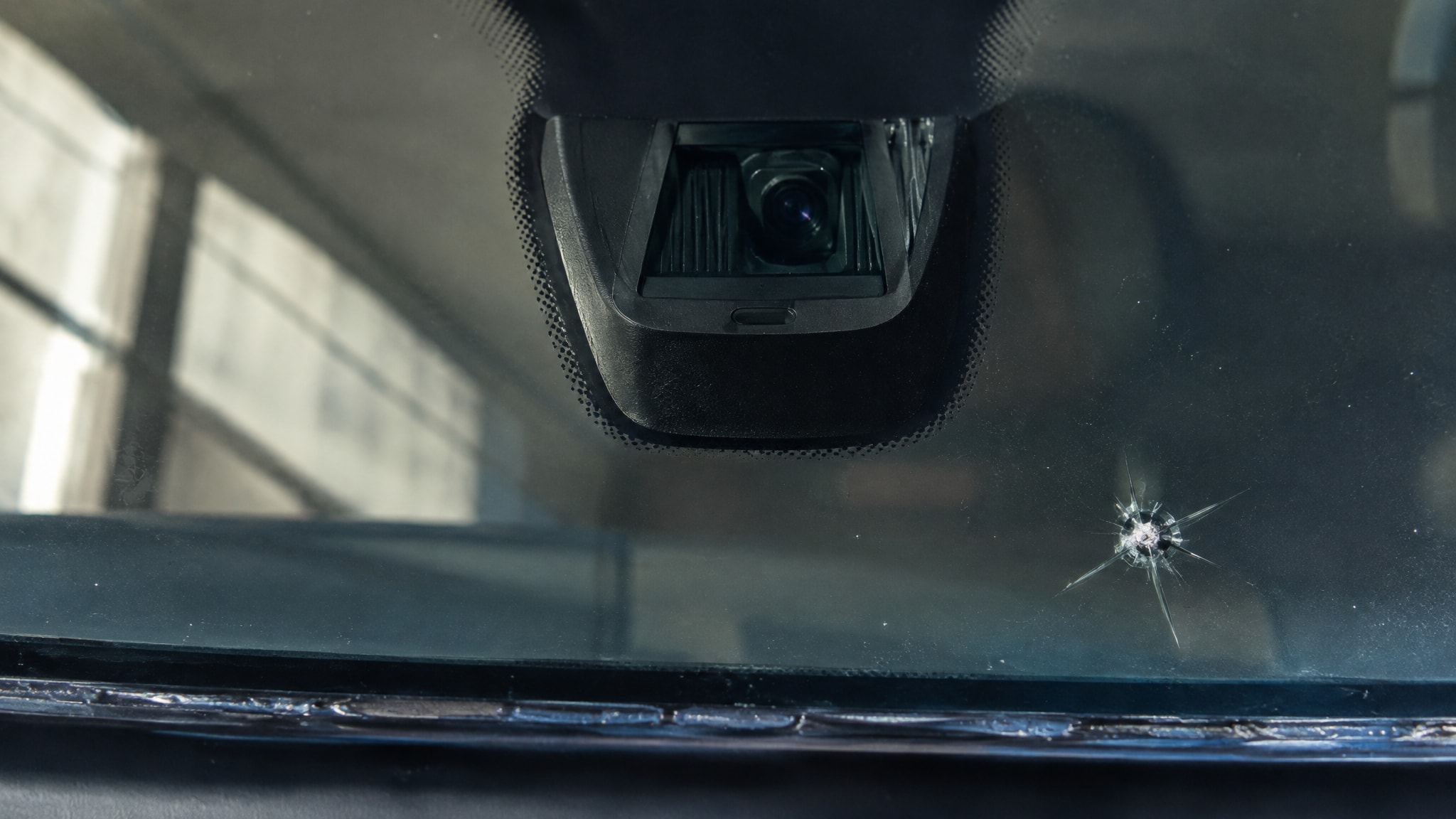
A windscreen does far more than keep the wind out. It forms part of the car's structure, it helps the passenger airbag do its job, and on newer premium vehicles it carries the camera and sensors that the driver-assist systems depend on.
That is why we treat windscreen replacement as a safety job, not a cosmetic one. After 28+ years of combined motor industry experience, we have seen what a good fit looks like, and what a rushed one costs the owner later. Here is how we would approach it if the car were ours.
When Windscreen Replacement Is Necessary (and When a Repair Will Do)
Size, type and position of the damage decide most of the question. A small, clean chip away from the edges can often be repaired, while a long crack or damage near the rim usually means the glass has to come out.
Windscreen glass options compared
| Made by | Best suited to | |
|---|---|---|
| OEM | Vehicle manufacturer spec | Premium cars with sensors |
| OEE | Other maker, equivalent | Premium cars, if confirmed |
| Aftermarket | Third parties, varied quality | Older cars without sensors |
Chip and crack: the signs that decide it
Look at the damage first. A contained chip, such as a small star or bullseye, is usually a repair candidate if it is caught early and kept clean. Cracks that run across the glass, reach the edge or have started to branch are not.
Timing matters as much as size. Take a typical case: a small stone chip outside the driver's line of sight is repaired within days, and the windscreen stays sound for years. Leave the same chip through winter temperature swings and rough roads, and it grows into a crack that forces a full replacement.
A repair has limits, and you should know them before you book one. It stops the damage spreading and makes it less visible, but it does not make the glass new again.
If a chip has collected dirt or moisture, the repair may be less clean, so cover it with clear tape and get it seen quickly. Heat and cold both put stress on glass, which is why a crack often appears overnight or after a hot car is cooled sharply.
Hailstones can do the same damage in seconds. If you are in Gauteng, our notes on hail season in Gauteng explain how to protect the car and what to do afterwards.
Damage in the driver's line of sight
Damage directly in front of the driver is a different matter. Even a well-done repair can leave a slight distortion, and that distortion sits exactly where your eyes are looking.
So a fitter may advise replacement for damage in that area, even when the chip is small. We agree with that caution, because clear vision is the whole point of the glass.
How Windscreen Replacement Works, Step by Step
The job follows a set order, and the order is what protects you. The old glass comes out, the frame is prepared, urethane adhesive goes on, and the new glass is set in place.
Removal, bonding and the adhesive cure time
The fitter cuts the old windscreen free and removes it, along with trim and any fixtures attached to it. Then comes the step most owners never see: cleaning and preparing the frame, and treating any rust before the adhesive goes on.
The new glass is bonded with urethane adhesive and pressed into position. That bond holds the glass in place and is part of how the car protects you in a crash, so the fitter cannot rush it.
The adhesive then needs time to cure before the car is safe to drive. That safe-drive-away time depends on the adhesive and the conditions, so ask the fitter for it in writing or at least out loud, and do not move the car before then.
Skipping that wait is the most common mistake we hear about. It is also the one you can control completely.
Mobile fitting versus workshop fitting
Mobile fitters come to your home or office, which suits a busy diary. A workshop gives the fitter a clean, dry, controlled space, which suits the bonding work.
Neither is automatically better. Rain, dust and wind affect adhesive and glass, so on a wet or windy day we would lean towards the workshop. If the weather is fine and the fitter is experienced, mobile fitting works well.
If your car has a camera behind the glass, ask whether the calibration can be done at your location or only at the workshop. That answer often settles the choice for you.
How long the job takes, including rear windscreens
Plan for the fitting itself to take a modest part of a day, followed by the cure time before you drive off. We will not name hours here, because they vary by vehicle and fitter. Ask for a time estimate when you book.
A rear windscreen is a different piece of glass. It is usually a single toughened pane, not the laminated type used at the front, and it often carries a heated element and aerial connections that must be reconnected and tested. That makes the job comparable in effort to a front replacement, even though the glass is simpler.
The same advice applies afterwards. Ask when the car is safe to drive, and test the demister before the fitter leaves.
What Windscreen Replacement Costs and What Moves the Price
There is no single price, and you should be wary of anyone who gives one without seeing the car. Quotes in rand reflect the glass, the features behind it, the labour and whether the fitter comes to you.
Vehicle features that add cost
Premium vehicles tend to cost more to fit, because the windscreen carries more technology. These are the usual price drivers:
- Glass type and quality
- Rain sensors and light sensors
- Heads-up display compatibility
- Forward camera calibration
- Labour and the time the job takes
- Mobile callout, if the fitter travels to you
Acoustic or heated glass, where fitted, also changes the price. Your car's make and model decide which of these apply.
Quotes: what to compare like for like
Two quotes are only comparable when they cover the same things. Ask each fitter which glass they will use, which adhesive, and whether calibration is included.
Consider a premium SUV with a rain sensor and a forward camera. After a new windscreen, the camera needs recalibrating, so a cheap quote that leaves this out can cost you more later, in a second visit and a system that does not behave as it should.
The lowest price is rarely the best value on a car that cost what yours did. For a wider view of ownership expenses, see what a car really costs to run.
Chip repair cost versus full replacement
A chip repair costs a fraction of a replacement, which is the strongest argument for acting early. We will not put a number on it, because fitters price differently and insurers sometimes treat repairs differently from replacements.
What we can say is that a repair is cheaper, quicker and keeps the factory seal intact. Once the damage needs a full replacement, every item in the list above comes into play.
OEM, OEE or Aftermarket Glass: Choosing the Right Replacement
Three kinds of glass are on offer. OEM is made by or for the vehicle manufacturer to the original specification. OEE is glass of equivalent quality from another maker, and aftermarket glass is made by third parties with a wider spread of quality.
The differences show in three places: fit, optical clarity and sensor compatibility. Poor fit leads to wind noise and leaks. Poor clarity shows up as distortion at the edges or a faint ripple when you look through the glass. Poor sensor compatibility can leave a camera or rain sensor unreliable.
On an older car without driver-assist features, good-quality OEE or aftermarket glass can be a sensible choice. On a premium vehicle with a forward camera, lane-keeping or a heads-up display, we would choose OEM or a reputable OEE option and ask the fitter to confirm it works with your sensors.
Whichever you choose, ask the fitter to name the brand of glass on the quote. You are entitled to know what is going into your car.
Insurance and Claims: Who Pays for a New Windscreen
Many comprehensive policies include some form of glass cover, but the terms differ from insurer to insurer. This guide cannot tell you what your policy says, so read your own schedule or phone your insurer before you book anything.
Ask three things first: whether glass is covered, whether you must use an approved fitter, and what you pay towards the claim. Booking before you ask can leave you with a bill that cover would have handled.
Excess, glass cover and no-claim impact
Excess is the amount you pay on a claim. On a small repair, it can be close to what the repair would have cost, so a claim may not be worth making.
Ask too whether a glass claim affects your no-claim bonus. Some insurers treat glass separately, and others do not. If you are weighing cover against cost, how insurance premiums are affected by other choices, such as a tracker, is worth a look.
Checking Windscreen Quality Before and After Fitting
Before the fitter starts, ask about the glass, the adhesive and the calibration. After the fitter finishes, check the work with the fitter still there, because problems are far easier to fix on the day.
A post-fit checklist
This is what we would check, and what we would ask you to check:
- Seals: the edge should be even all round, with no gaps or lumps of adhesive.
- Trim: mouldings should sit flush and match the other side.
- Water: run a hose over the glass, or wait for rain, and look for leaks inside.
- Noise: listen for whistling or wind noise at speed.
- Sensors: confirm the rain sensor, camera and any driver-assist warnings work normally.
- Clarity: look through the glass for distortion, especially at the edges.
If anything is off, say so before you leave. A good fitter will want to put it right.
Aftercare in the first 48 hours
Take it gently for the first two days. Do not slam the doors, because the pressure change inside the cabin can disturb a bond that is still setting.
Leave any retaining tape on until the fitter says it can come off. Avoid high-pressure car washes for the period the fitter recommends, and keep off rough roads where you can.
Different adhesives have different instructions, so follow what your fitter tells you over any general rule, including ours.
Windscreen Condition When Buying a Used Car
The glass tells you more than most buyers expect. Look for chips and cracks, and check the seals, the trim and the edges of the screen.
Our Autoshed Approved inspection covers glass condition, seals and sensor function on every vehicle before we list it. If a vehicle isn't good enough for our family, it isn't good enough for yours.
What a replaced windscreen can reveal
A replaced windscreen is not a warning sign by itself. Stones do break glass, and a well-fitted replacement is a good thing to see.
What we look for is how it was done. Mismatched glass branding, where the windscreen differs from the other windows, can suggest a cheaper part. Uneven seals, adhesive marks or misaligned trim point to a poor fit. Sometimes a replaced screen is part of a bigger repair after an accident, so we look at the pillars and surrounding panels too.
Ask the seller for the service and repair history, and for the invoice if the glass was replaced. A seller who has nothing to hide will usually have it to hand.
The windscreen is one part of a wider check. Our guides on what to look out for on a test drive and how to avoid buying a bad used car cover the rest.
If you are shopping for a premium used vehicle, you are welcome to browse our Autoshed Approved vehicles. Or get in touch with us about the condition of a specific car, and we will tell you what we know, with no pressure.
Frequently asked questions
How much does a windscreen replacement cost?
There is no single price, because it depends on the glass type, sensors such as rain sensors or a forward camera, heads-up display compatibility, labour and whether the fitter comes to you. Premium vehicles generally cost more than basic ones. Get quotes that name the glass, the adhesive and whether calibration is included.
How long does it take to fit a rear windscreen?
Plan on a modest part of a day, similar in effort to a front windscreen. The fitter has to reconnect the heated element and any aerial, and the adhesive needs to cure before you drive. Ask your fitter for the exact safe-drive-away time.
How much does it cost to fix a chip on a windscreen?
A chip repair costs a fraction of a full replacement, which is why acting early pays off. The exact price depends on the fitter and the damage. Chips in the driver's line of sight, or ones that have already cracked, usually need replacement instead.
Will my insurance pay for a new windscreen?
Many comprehensive policies include glass cover, but terms differ. Check your own policy for the excess, whether you must use an approved fitter, and whether a glass claim affects your no-claim bonus. Do this before you book.
Do I need to recalibrate sensors after a windscreen replacement?
If your car has a forward camera or similar driver-assist system, yes, the camera usually needs recalibrating after a new windscreen. Ask your fitter whether calibration is included in the quote. Leaving it out can mean a second visit later.